

Project Jetsetter Exposes International Auto Insurance Fraud Network in Canada
A multi-year investigation uncovered organized criminal groups linked to staged collisions, vehicle financing fraud, and false insurance claims that generated millions in losses and drove up costs for insurers and policyholders.
June 8
Auto
Fraud
Insurance Industry
Legislation & Regulation
Technology

NICB Warns Contractor Fraud Is Rising Nationwide After Natural Disasters
As communities recover from tornadoes, floods, wildfires, and other disasters, NICB says contractor fraud schemes are becoming more sophisticated, with roofing scams, inflated mitigation claims, and assignment of benefits abuse among the most common threats.
June 8
Catastrophe
Fraud
Insurance Industry
Property
Risk Management

Meta Fraud Exposure Raises New Liability Questions for Insurers
New fraud data from Lloyds Bank and recent U.S. court rulings are increasing scrutiny of Meta's role in online scams, creating new questions about liability, insurance coverage, cyber risk, and potential subrogation opportunities.
June 8
Fraud
Insurance Industry
Legislation & Regulation
Litigation
Risk Management

FICO: Insurers Must Shift From Reactive Fraud Detection to Connected Intelligence
New FICO report argues that fragmented data systems are leaving insurers vulnerable to organized fraud networks and calls for real-time, enterprise-wide fraud intelligence.
June 8
Fraud
Insurance Industry
Technology

Texas Police Chief’s Staged Vehicle Theft Insurance Fraud Conviction Upheld on Appeal
A federal appeals court found sufficient evidence that a Texas police chief conspired to burn his wife's SUV, report it stolen, and collect insurance proceeds. The case highlights multiple fraud indicators that claims investigators identified before any confession emerged.
June 5
Auto
Fraud
Insurance Industry
Litigation
Risk Management
Texas

Insurance Fraud Detection Market Tops $20B as Insurers Expand AI Tools
Insurers are expanding their use of AI, telematics, digital identity verification, and predictive analytics as fraud schemes become more complex and costly across multiple lines of business.
June 5
Auto
Fraud
Insurance Industry
Property
Risk Management

Generative AI Creates New Challenges for Insurance Fraud Investigations
Generative AI tools are making it easier to create fake claim evidence, while a new survey finds insurers have limited confidence in their ability to detect and prevent AI-driven fraud.
May 29
Auto
Fraud
Insurance Industry
Property
Technology
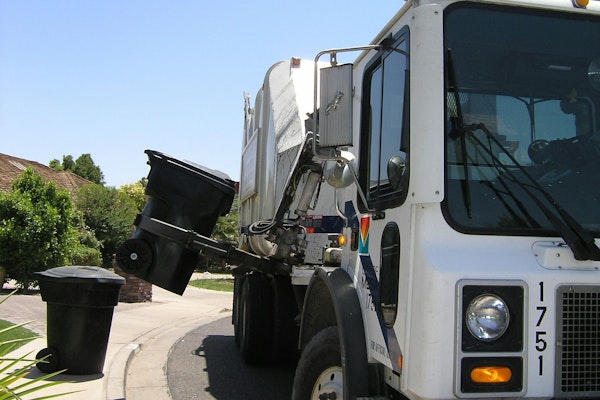
Louisiana Insurance Fraud Probe Targets $4M in Alleged False Crash Claims
Louisiana investigators say four suspects made false statements tied to a 2025 crash involving a waste disposal truck. Authorities allege the fraudulent claims sought nearly $4 million in compensation.
May 28
Auto
Fraud
Litigation
Louisiana

Insurance Executive Sentenced to 12 Years in $2 Billion Fraud Scheme
Federal prosecutors said insurance company reserves were diverted through affiliated entities, leaving thousands of policyholders still owed more than $1 billion while regulators uncovered bribery and fraud allegations.
May 28
Fraud
Insurance Industry
Legislation & Regulation
Litigation
Risk Management
North Carolina

Contractor Hit With Potential $2M Judgment After Inflated Hail Claim Scheme
A Colorado jury found a contractor intentionally interfered with an insurance contract after allegedly inflating a church hail damage claim. The verdict highlights growing insurer scrutiny of contractor involvement in appraisal disputes and claim inflation.
May 28
Catastrophe
Fraud
Legislation & Regulation
Litigation
Property
Colorado

Contractor Fraud Awareness Week Puts Focus on Storm Chasing Roofing Schemes
As Contractor Fraud Awareness Week continues nationwide, roofing contractors, insurers, and adjusters are warning homeowners about storm chasing scams, inflated claims, and post-disaster fraud risks.
May 21
Catastrophe
Fraud
Insurance Industry
Property
Risk Management

AI-Generated Claim Fraud Forces Adjusters to Rethink Investigations
Fraudsters are using AI to create convincing photos, invoices, medical records and identities. Adjusters need stronger verification, native files, field investigation and clear evidence before denying a claim.
May 18
Auto
Fraud
Insurance Industry
Litigation
Property

Georgia Agent Accused of Selling Fake Workers’ Comp Insurance
Georgia regulators say businesses may have received fraudulent workers' compensation certificates and believed they had valid coverage when they did not.
May 18
Fraud
Insurance Industry
Legislation & Regulation
Workers' Compensation
Georgia

Kentucky Man Accused of Staging UTV Theft in Alleged Insurance Fraud Scheme
Kentucky State Police say a Martin County man admitted he falsely reported a side-by-side stolen in an alleged attempt to collect insurance money. Investigators say neighbors and follow-up interviews helped uncover inconsistencies in the report.
May 13
Fraud
Insurance Industry
Litigation
Property
Kentucky

New York Man Accused of $400K Trucking Insurance Fraud Scheme
Federal prosecutors say a New York man filed false damage claims against trucking companies and insurers using fake names, repair shops and invoices.
May 13
Auto
Fraud
Insurance Industry
Litigation
New York