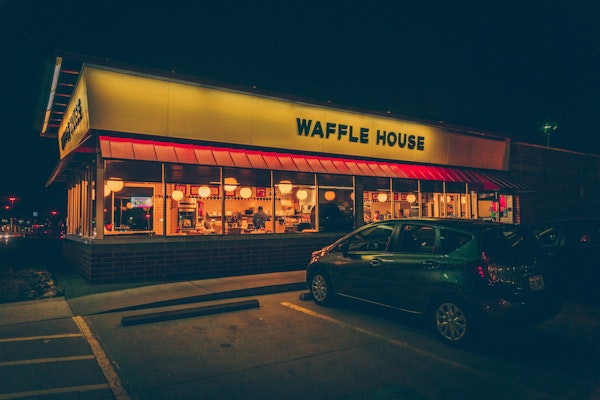
The Waffle House Index, a quirky yet reliable gauge of storm severity, shows widespread closures across Florida as Hurricane Milton approaches, warning of significant damage and disruption.
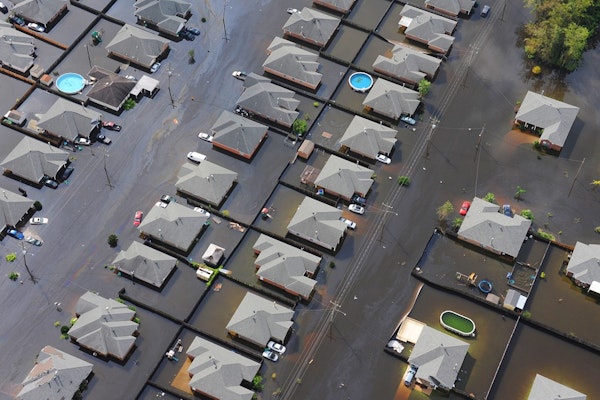
As climate-intensified storms expose the limitations of FEMA’s outdated flood maps, millions of Americans may face flood risks without adequate insurance protection, especially in areas prone to heavy rainfall.
Hurricane Milton, set to make landfall as a Category 3 storm, could bring catastrophic impacts to Florida’s Gulf Coast, particularly the Tampa area, just two weeks after Hurricane Helene’s devastation.
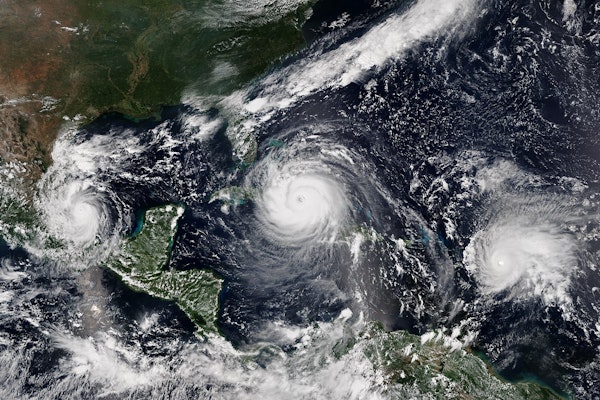
Hurricane Milton, now a powerful Category 4 storm, is set to make landfall midweek in Florida, bringing life-threatening storm surges, heavy rain, and strong winds.
Hurricane Helene’s estimated insured losses range between $5 billion and $9 billion, but S&P Global believes the event will affect earnings without jeopardizing the capital of US property and casualty insurers.
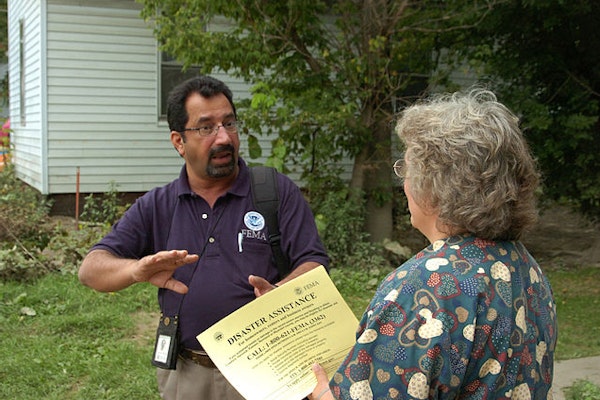
FEMA is running low on disaster relief funds as it responds to Hurricane Helene, which caused severe damage across several Southeastern states. Congress may need to pass additional funding to sustain relief efforts.
U.S. dockworkers have suspended their strike after reaching a tentative agreement with terminal operators, securing a wage increase and agreeing to continue negotiations in January.
Economic estimates for Hurricane Helene project up to $160 billion in damage, driven by widespread infrastructure failure, property loss, business disruption, and long-term recovery costs.
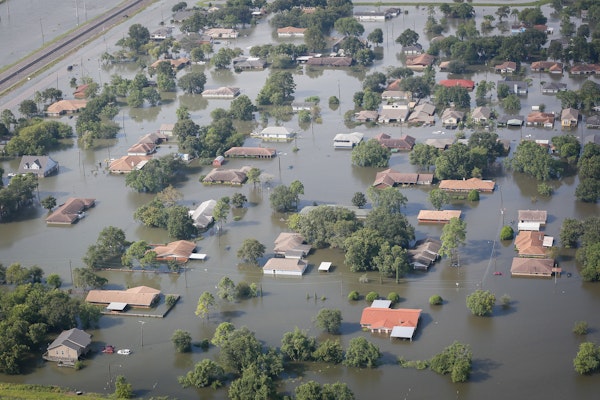
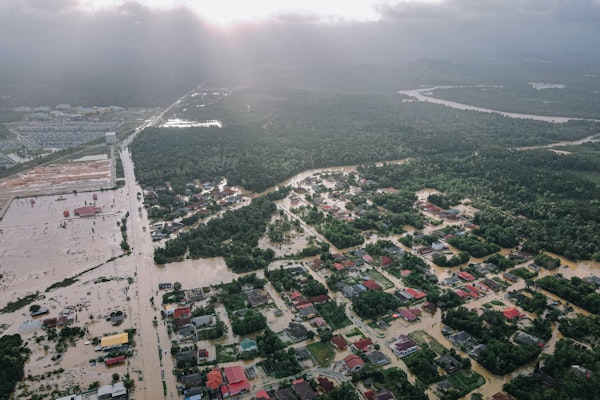
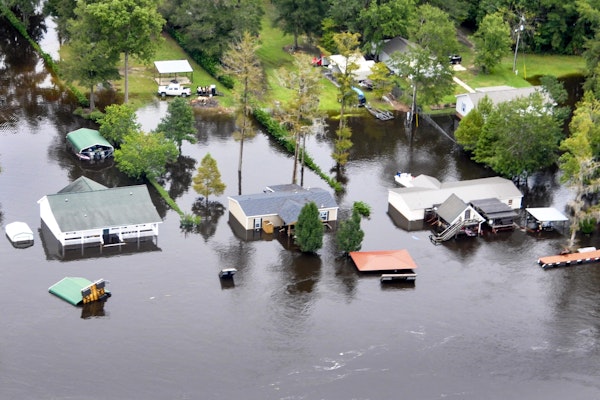
Hurricane Helene’s catastrophic flooding from Florida to North Carolina exposes the serious lack of flood insurance coverage among homeowners, especially in inland areas, highlighting the increasing risks from extreme weather events.
Hurricane Helene is intensifying as it heads toward Florida’s Gulf Coast, threatening life-threatening storm surges, widespread flooding, and strong winds that will reach far inland across the Southeast.
Hurricane Helene is forecast to intensify rapidly as it nears Florida, with major impacts expected across the Southeast, including extreme winds, flooding, and widespread storm surge.
The surge in roof damage claims, driven by extreme weather and rising repair costs, is creating significant challenges for insurers, with increased fraud and evolving policy terms adding to the crisis.
Meteorologists predict an active September in the Atlantic, with up to 10 named storms potentially forming as reduced wind shear and dry air create favorable conditions for hurricane development.
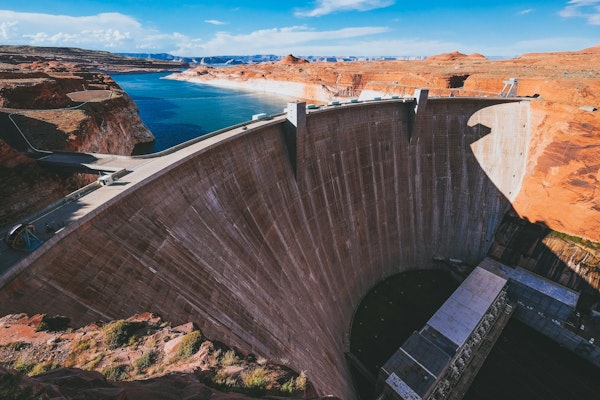
Conflicting federal policies hinder communities from accessing vital dam failure data, potentially raising flood insurance costs and leaving residents unaware of flood risks.
A DeepSky Research report predicts a 300% rise in extreme hurricane rainfall frequency and a 33% increase in severity, highlighting the urgent need for preparedness as hurricane impacts are expected to worsen rapidly.