A FIFA World Cup referee who operates an insurance advisory firm highlights a specialty insurance market that is expanding as abuse, liability exposures, and retention challenges increase for sports officials worldwide.
A review of nearly 2,000 closed malpractice claims found technical skill issues were the most common contributing factor, but clinical judgment failures produced the highest average indemnity payments. The findings offer new insight for underwriters, adjusters, and healthcare risk managers.
A new PEMCO survey shows many homeowners overestimate fire risk while underestimating costly water damage, creating opportunities for insurers and agents to promote leak detection technology during policy renewals.
Higher theft rates, expensive repairs and underwriting changes are making high-performance vehicles increasingly difficult to insure, even as used prices become more attractive.
Insurance technology leaders say successful AI adoption depends on workflow integration, human oversight, and clear business outcomes rather than technical sophistication alone. Carriers that delay adoption too long risk falling behind a rapidly changing market.
A ransomware group claims it leaked more than 630GB of files stolen from Tata Electronics, triggering questions about supply chain cyber risk, intellectual property exposure, and insurance coverage obligations.
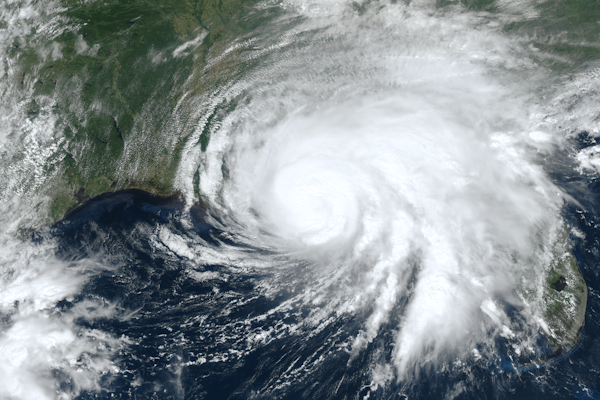
Forecasters expect fewer Atlantic storms due to El Niño conditions, but growing property values, flood coverage gaps and elevated catastrophe exposure continue to challenge insurers, brokers and claims professionals.
As data center construction accelerates worldwide, new research finds that flood, heat, wildfire, wind, and drought exposures are becoming significant drivers of operating costs, insurance demand, and long-term asset performance.
SpaceX’s public filings place extraordinary emphasis on Elon Musk’s role in the company’s value. A new legal analysis argues that investors may have a legitimate insurable interest in his continued life under Texas law, raising broader questions about key person risk and insurance capacity.
New research finds that extreme coastal flooding events once considered rare are occurring far more often due to sea level rise linked to human-caused climate change. The findings carry significant implications for insurers, catastrophe planners, and coastal communities.
Gallagher’s 2026 survey finds business owners increasingly integrating risk management into operations as concerns grow over AI, cyber threats, supply chain disruptions, and severe weather exposures.
SpaceX’s proposed shareholder arbitration requirements and a surge in AI-related IPOs could change securities litigation exposure while prompting insurers to broaden D&O coverage offerings.
Five earthquakes off the Northern California coast caused little damage, but they renewed attention on the fact that most California homeowners lack earthquake insurance and would receive no coverage for quake-related property losses.
Commercial insurance carriers are rapidly deploying AI underwriting tools, but many leaders lack confidence in the strategic framework needed to maximize those investments and deliver measurable business outcomes.