The scenes from May 30 looked like they had been plucked out of the 1960s. News networks alternated between covering nationwide protests over the death of George Floyd, a black man who was allegedly killed by a police officer while in custody, and SpaceX’s first crewed launch to the international space station.
CCC last month reported the COVID-19 response has produced a record expansion rate “exceeding double-digit growth” for photo estimates and “AI-supported claims” since Jan. 1. Insurers recently produced their 3 millionth photo estimate since 2018, according to CCC.
A wind-driven wildfire destroyed homes and forced evacuations as it tore through a rural Southern California desert town near the Salton Sea, authorities said Monday. The fire erupted Sunday evening in Niland, a small and poor agricultural community about 100 miles (160 kilometers) from San Diego.
COVID-19 has infiltrated nearly every corner of our lives since reaching pandemic proportion. It was only a matter of time until it would surface in the legal world.
Claims technology plays a vital role in effectively adjusting commercial property losses. Today, remote inspection and estimation capabilities are more important than ever, given the social distancing requirements of the COVID-19 pandemic and the challenges of accessing policyholders’ facilities in the wake of severe weather events and large-scale natural catastrophes.
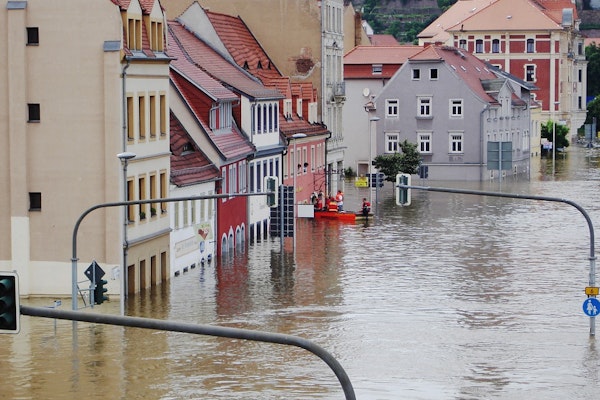
Think the risk of your home filling up with floodwater, magnified these days by climate change, is only an issue near the coasts and rivers? New research detailing nearly every corner of the U.S. shows otherwise.
On Jan. 7, 2020, the California Supreme Court heard oral arguments in Montrose v. Superior Court, 14 Cal App. 5th 1306, 2017. The issue in the underlying continuous environmental contamination damage claim is whether the upper excess layer of coverage should participate in funding only after all directly underlying excess coverage during the coverage continuum exhausts.
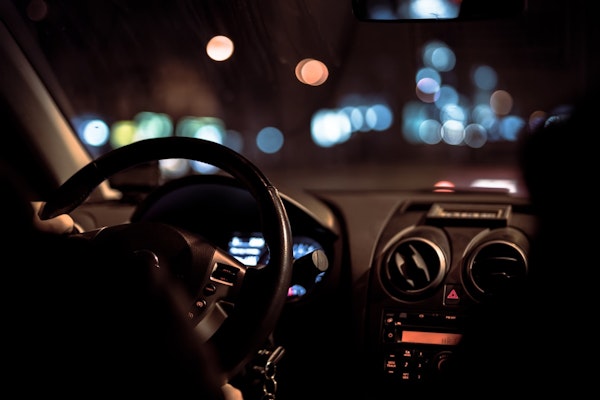
Coronavirus lockdowns led to huge reductions in traffic and fewer car crashes this spring, but as drivers sped up on quieter roads, the collisions became deadlier in several cities, a Reuters analysis shows.
A Houston law firm and its landlord sued the firm’s insurance company in Connecticut, alleging the insurer improperly denied the firm’s claim for business income losses caused by government shutdown orders for COVID-19.
A candle is to blame for a fire that took the life of a woman in a downtown Fremont apartment last month. Numerous tenants have been displaced and three businesses severely damaged, but frustrated owners of one store said they were kept from cleaning up for far too long.
Robert Klein has spent more than a decade building his dental practice. He has four offices stretching from Kearney to Kansas City. He’s never closed his doors until this past spring when non-essential businesses were asked to shut down because of COVID-19.
Three men — one from Union County and two from Essex County — have been charged for their roles in a car theft-ring that stole about $1.5 million in luxury vehicles last year in New Jersey, New York and Connecticut, authorities said .
There’s been a lot of talk about how the coronavirus pandemic may permanently affect aspects of daily life and fundamentally alter entire industries. The future of the insurance industry deserves particular attention, considering its critical ability to help businesses weather times of extreme hardship and uncertainty.
With Allstate Corporation remaining tight-lipped over a possible mass layoff, details have emerged from an anonymous tipster suggesting that more than 3,000 employees could be out of a job soon.
A delivery driver who used his wife’s name to try to pull off one of the state’s largest workers’ compensation fraud cases has been ordered to pay back nearly $340,000.