Claims data shows a growing gap between driver awareness and behavior, while telematics and vehicle technology reshape liability, repair costs, and prevention strategies.
The insurer claims a network of chiropractic clinics pushed identical treatments and relied on letters of protection to inflate injury claims tied to car accidents.
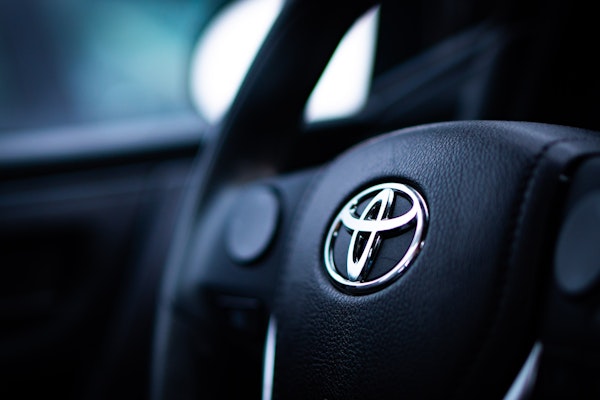
The U.S. recall covers certain 2021-2024 Highlander and Highlander Hybrid vehicles after regulators said second-row seat backs may fail to lock during adjustment. The defect could raise injury risk in a crash and lead to claim disputes over causation and damages.
A Wisconsin appeals court ruled that a personal auto policy must cover a DoorDash driver’s crash because the policy’s delivery-related business exclusion was ambiguous. The decision raises questions for insurers drafting gig economy exclusions.
The state’s 2026 budget proposal would tighten serious injury standards, limit recovery for some plaintiffs, and reduce litigation exposure in motor vehicle cases.
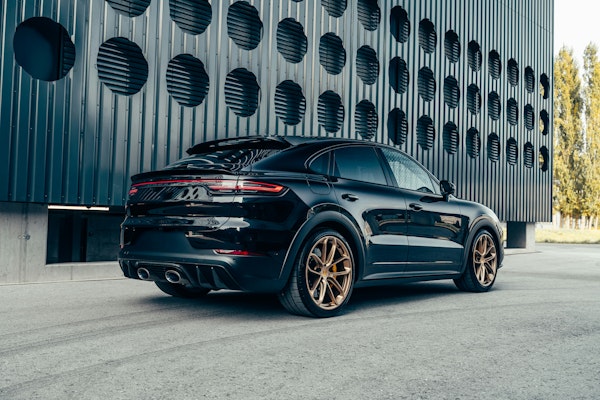
Investigators say a planned rear-end collision involving a rental vehicle and a Porsche Cayenne led to nearly $39,000 in insurance payouts before claim inconsistencies and cellphone records exposed the alleged scheme.
Louisiana investigators say the pair filed sworn statements claiming injuries from a parking lot crash, but surveillance video showed they were not inside the vehicle.
New survey data shows carriers recalibrating underwriting, fraud detection and workforce strategy as social inflation, AI-generated fraud and catastrophe losses intensify.
A pending decision in Allstate v. Carteret Comprehensive Medical Care could determine whether complex auto insurance fraud claims belong in arbitration or Superior Court, with direct implications for PIP claims handling and insurer recovery efforts.
A new report outlines how role confusion, product silos, and competing platform priorities create unnecessary friction across claims and service workflows.