Insurers report growing use of AI-generated images and documents to exaggerate or fabricate losses, forcing adjusters to rely on advanced fraud detection tools.
Rising deductibles, aging vehicles, and increasing bodily injury costs are concentrating risk and reshaping how claims are filed, evaluated, and settled.
New law allows civil prosecution of fraud, mandates disclosure of expunged records for adjuster licensing, and expands antifraud duties to assigned claims plans.
Insurer alleges a coordinated network used shell companies, inflated invoices, and non-fee-schedule billing codes to extract payments and evade detection.
Federal jury finds law firms and co-conspirators guilty in long-running scheme targeting commercial auto policies and inflating claims through staged accidents and unnecessary medical treatments.
Declining auto claims and reserve releases point to softer pricing in 2026, while liability lines continue to face reserve pressure and social inflation challenges.
Back-to-back storms have caused major flooding across Hawaii, forced thousands to evacuate, and damaged homes, roads, hospitals, schools, and other infrastructure.
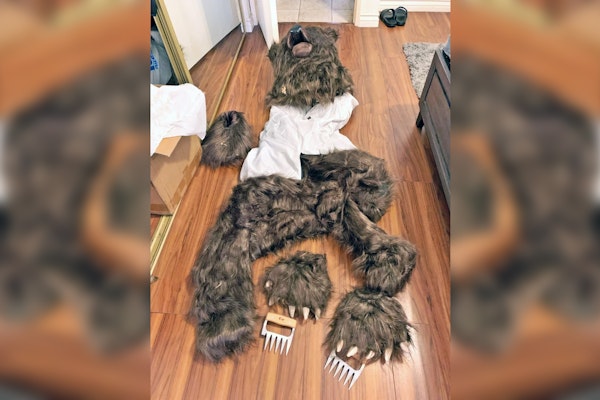
Authorities say falsified paperwork helped give Pennsylvania titles to 65 stolen vehicles worth more than $3.8 million. The case highlights how title fraud can complicate ownership, recovery, and auto claims investigations.
Claims data shows a growing gap between driver awareness and behavior, while telematics and vehicle technology reshape liability, repair costs, and prevention strategies.
The insurer claims a network of chiropractic clinics pushed identical treatments and relied on letters of protection to inflate injury claims tied to car accidents.
The U.S. recall covers certain 2021-2024 Highlander and Highlander Hybrid vehicles after regulators said second-row seat backs may fail to lock during adjustment. The defect could raise injury risk in a crash and lead to claim disputes over causation and damages.
A Wisconsin appeals court ruled that a personal auto policy must cover a DoorDash driver’s crash because the policy’s delivery-related business exclusion was ambiguous. The decision raises questions for insurers drafting gig economy exclusions.