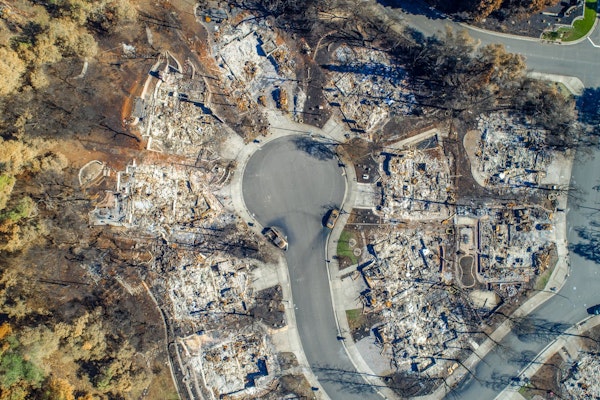
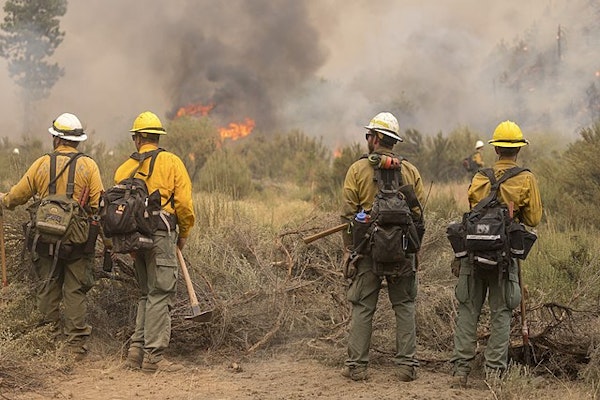
Southern California faces extreme fire conditions fueled by hurricane-force winds, forcing mass evacuations and widespread power outages, with no immediate relief in sight.
Presenters at Triple-I’s Joint Industry Forum spotlighted how granular data, innovative insurance products, and consumer education are closing climate-related protection gaps.
Recent tragedies highlight the dangers of illegal fireworks in Hawaii, leading officials and residents to debate stronger enforcement measures and cultural traditions.
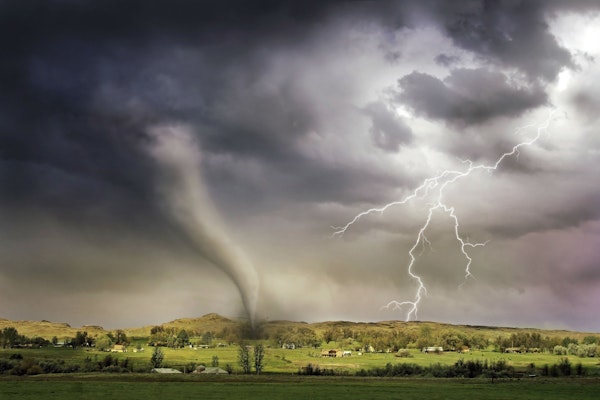
Severe storms from December 26–29, 2024, caused extensive tornado damage across 10 Southern states, generating over 2,700 insurance claims and highlighting a rising trend in extreme weather events.
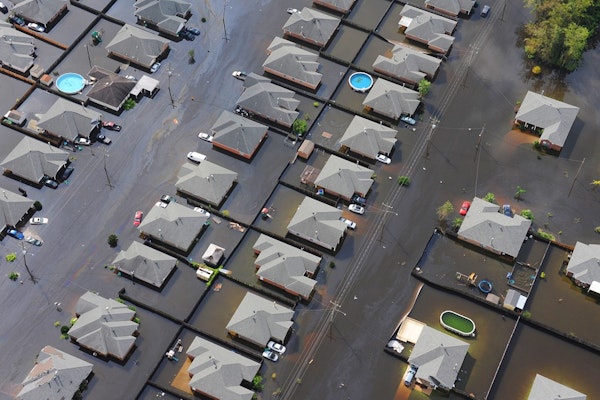
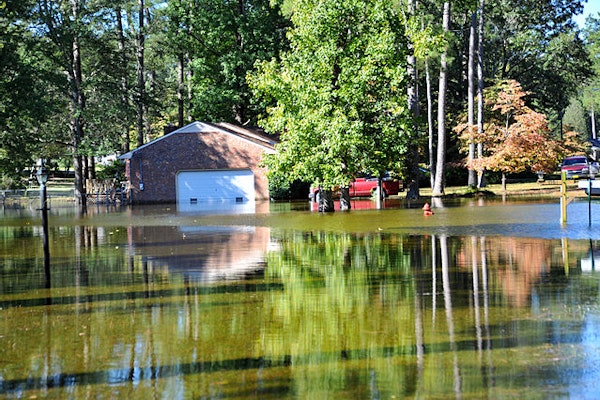
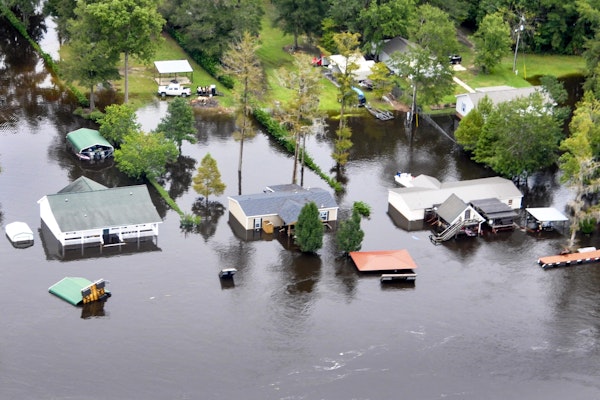
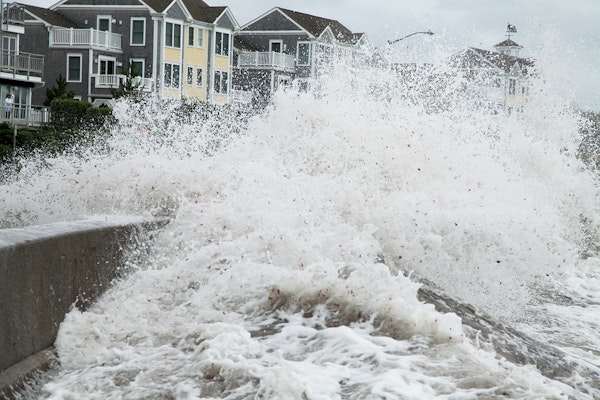
Flooding caused 78% of global catastrophe losses in 2024, totaling $18.2 billion. CRESTA integrates its loss index into PERILS for streamlined reporting starting January 2025.
California introduces new regulations requiring insurers to increase home coverage in wildfire-prone areas, aiming to stabilize the insurance market and support homeowners.
Insurers must embrace innovative technologies and business models to address emerging risks, close protection gaps, and adapt to a rapidly evolving market landscape.
As climate-driven disasters increase, nonrenewed home insurance policies are surging nationwide, impacting property values, mortgages, and economic stability in vulnerable communities.
Oregon lawmakers plan to introduce legislation preventing utility rate hikes while lawsuits related to the 2020 wildfires remain unresolved, targeting accountability for PacifiCorp.
Catastrophe bonds reached a record $17.7 billion in issuance for 2024, as insurers turn to private investors to manage growing climate-related risks and rising rebuilding costs.
Northern California grapples with flooding and tornadoes, while Southern California battles wildfires and heat in an unprecedented stretch of extreme weather linked to La Niña and climate change.
Swiss Re executives outline key challenges for the re/insurance industry in 2025, including geopolitical instability, rising natural disaster losses, social inflation, and opportunities in life insurance growth.
The Senate Budget Committee attributes rising non-renewal rates to climate change, but insurance experts highlight other drivers like inflation, litigation, and overbuilding.