Insurer alleges a coordinated network used shell companies, inflated invoices, and non-fee-schedule billing codes to extract payments and evade detection.
State regulators are accelerating enforcement on AI use in insurance, exposing carriers to fines and legal risk when decision models lack transparency.
A Florida appeals court ruled that workers’ compensation carriers are not required to pay for out-of-state travel that is not medically necessary, even when a catastrophic injury claimant argues the trip would improve mental health.
The revised opioid settlement plan introduces opt-in releases and shifts insurance rights to trusts, setting up new coverage disputes and claims handling challenges.
The state’s 2026 budget proposal would tighten serious injury standards, limit recovery for some plaintiffs, and reduce litigation exposure in motor vehicle cases.
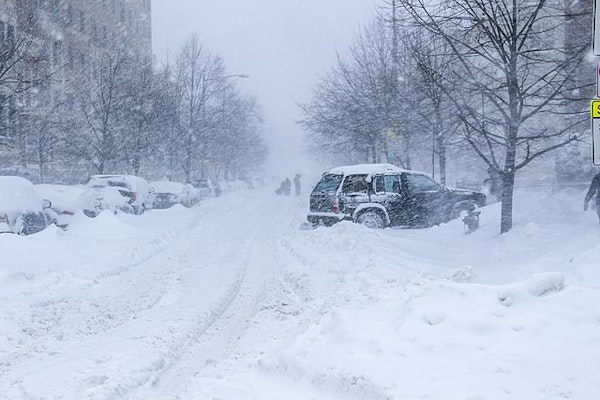
Prolonged ice, power outages, and lingering cold raise concerns over property damage, frozen pipes, and business interruption claims across much of the US.
Rates may be leveling off, but jury behavior, litigation funding, and documentation demands continue to drive claim severity and settlement complexity heading into 2026.
A new statute regulating consumer litigation funding and a key appellate ruling expanding discovery reshape fraud defenses and transparency in New York claims.
Insurer accuses two Brooklyn-based suppliers of billing for unnecessary and undelivered medical equipment through a kickback-fueled fraud scheme. The lawsuit seeks to block $2M in pending no-fault claims.
A new survey finds most homeowners believe they’re fully covered for disasters like floods and wildfires, but industry data shows many lack essential protections.
New research links a warming Atlantic to more extreme hurricane activity, with Florida, New York, and the Carolinas facing sharp increases in storm-driven insurance claims.