Federal prosecutors allege a Houston-area clinic owner and co-conspirators submitted hundreds of millions of dollars in fraudulent Medicare and Tricare claims tied to medically unnecessary allograft procedures. Investigators say the scheme generated nearly $300 million in government payments and involved kickbacks and patient referrals.
Health insurers are investing in voice authentication, deepfake detection, and advanced analytics as criminals use AI-generated records, synthetic identities, and automated calls to exploit healthcare systems.
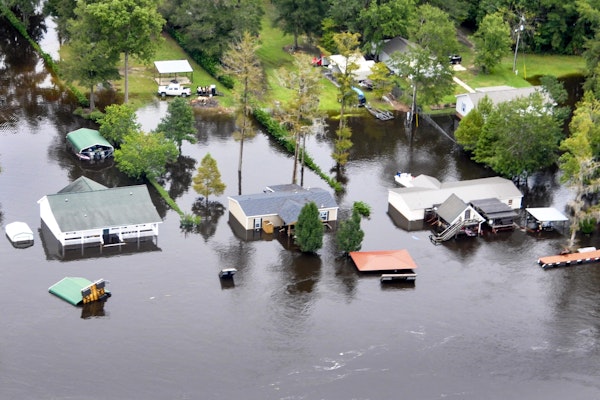
A Moody’s analysis found that uninsured residential flood losses could exceed $1 trillion in an extreme flood scenario, with most counties carrying significant protection gaps and growing exposure beyond FEMA flood maps.
As experienced adjusters retire and hiring challenges persist, insurers are deploying AI to improve correspondence, training, quality control, and claims handling capacity while keeping decision-making in human hands.
As data center construction accelerates worldwide, new research finds that flood, heat, wildfire, wind, and drought exposures are becoming significant drivers of operating costs, insurance demand, and long-term asset performance.
Hackers claim they spent more than two months inside the pharmaceutical company’s network before stealing 1.3 terabytes of data. The breach highlights growing cyber extortion risks facing large organizations and their insurers.
A Hawaii weather team’s simulation of a direct hurricane strike on Pearl Harbor highlights the potential for catastrophic wind damage, storm surge losses, and major challenges for emergency responders, insurers, and property owners.
A Pennsylvania Supreme Court ruling found that the state’s workers’ compensation self-referral law does not apply to pharmacies, allowing physicians to refer injured workers to pharmacies in which they have a financial interest. The decision could fuel ongoing disputes over prescription drug costs and billing practices.
Federal prosecutors allege reality television personality and convicted crop insurance fraud defendant Steve McBee transferred valuable business interests to his sons while under investigation. The family disputes the claims and argues the transfers followed long-established trust practices.
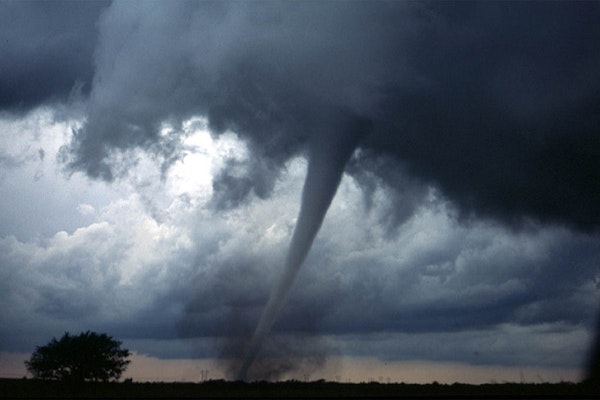
Illinois has recorded 140 tornadoes in 2026, prompting the National Insurance Crime Bureau to warn residents about contractor fraud schemes that often emerge after major disasters. The alert comes as severe convective storm losses continue to generate tens of billions in insured claims annually.
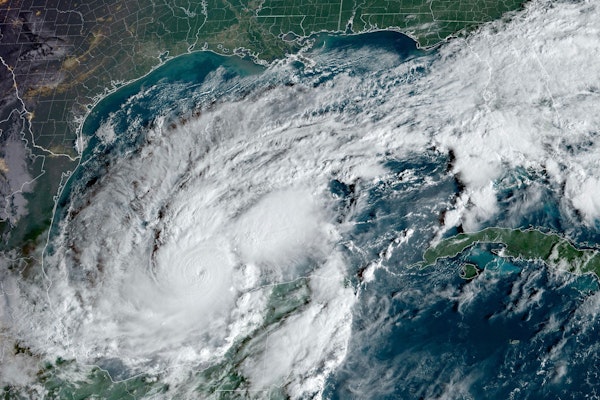
The National Hurricane Center increased development odds for a disturbance expected to move into the Gulf, with flooding concerns growing for Texas, Louisiana, and Mississippi and tropical watches potentially needed this week.
SpaceX’s public filings place extraordinary emphasis on Elon Musk’s role in the company’s value. A new legal analysis argues that investors may have a legitimate insurable interest in his continued life under Texas law, raising broader questions about key person risk and insurance capacity.
Two claims leaders explain why leadership support, adjuster trust, and workflow integration matter more than the AI purchase itself when deploying claims technology.
New research finds that extreme coastal flooding events once considered rare are occurring far more often due to sea level rise linked to human-caused climate change. The findings carry significant implications for insurers, catastrophe planners, and coastal communities.
A recurring engine stall defect affecting more than 255,000 Ford Focus vehicles highlights potential liability exposures, claims severity concerns, and the importance of preserving evidence for subrogation recovery.