A federal court ordered four Washington restaurants to pay $750,000 in back wages and damages to 42 workers after a U.S. Department of Labor investigation found overtime, minimum wage, child labor, and retaliation violations.
The 7-2 decision overturns a Missouri jury verdict and finds federal pesticide labeling law preempts state failure-to-warn claims. The ruling could significantly reduce Bayer’s exposure in thousands of pending Roundup lawsuits.
A magnitude 7.5 earthquake struck near Caracas after a strong foreshock, prompting warnings of widespread casualties, major economic damage, and uncertainty over insured losses and parametric coverage.
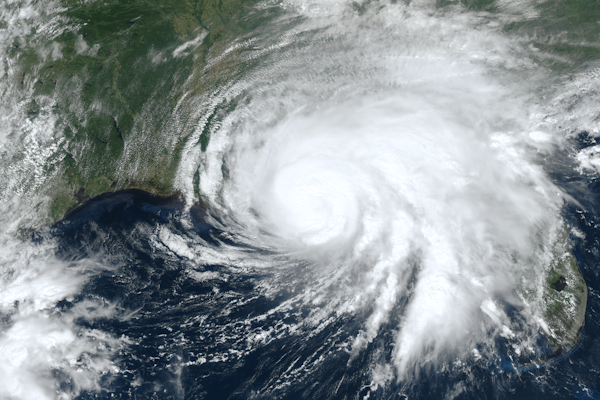
Historical hurricane data shows tropical storm threats remain relatively low during the World Cup, but several host cities have experienced damaging storms, flooding, and infrastructure losses during June and July.
Insurance technology leaders say successful AI adoption depends on workflow integration, human oversight, and clear business outcomes rather than technical sophistication alone. Carriers that delay adoption too long risk falling behind a rapidly changing market.
Utah regulators say a Texas man used false information to obtain more than 1,100 auto insurance policies and collected payments from consumers whose coverage could have been invalid when claims were filed.
New Nearmap research finds that heat, humidity, temperature swings and heavier rainfall are accelerating roof deterioration, increasing replacement frequency and creating new challenges for insurers and claims professionals.
Federal prosecutors announced charges against hundreds of defendants in alleged Medicare, Medicaid, wound care, opioid, hospice, and behavioral health fraud schemes. Investigators credited advanced data analytics and coordinated enforcement efforts for identifying the cases.
A federal lawsuit claims hundreds of ineligible individuals were enrolled in Maryland-based health plans through an alleged scheme involving fraudulent residency information and referral networks.
The Five Eyes intelligence alliance says advanced AI models could surpass current cybersecurity protections within months, increasing risks for businesses, insurers, and critical infrastructure operators.
Improved personal auto results and lower catastrophe losses helped U.S. property and casualty insurers return to strong underwriting profitability. Claims severity and litigation-related costs remain significant concerns for carriers.
A ransomware group claims it leaked more than 630GB of files stolen from Tata Electronics, triggering questions about supply chain cyber risk, intellectual property exposure, and insurance coverage obligations.
Extreme heat, damaging winds, power outages and flash flooding are becoming familiar parts of summer across Maryland’s Chesapeake Bay region. Residents and property owners are weighing the cost of preparedness against increasing weather risks.
Forecasters expect fewer Atlantic storms due to El Niño conditions, but growing property values, flood coverage gaps and elevated catastrophe exposure continue to challenge insurers, brokers and claims professionals.
A large plume of dry air and dust from Africa is reducing conditions favorable for tropical storm formation across the Atlantic, though hurricane risks remain as the season progresses.