Dashcam footage and an independent 911 witness helped investigators prove a California driver intentionally caused a collision before filing a fraudulent insurance claim. The driver received jail time, probation, and restitution after being convicted on multiple charges.
A mechanic’s teardown of a Chevrolet Camaro engine recovered after years underwater uncovered signs of prior repairs and prompted questions about whether the vehicle’s theft claim and total loss were connected to a possible fraud scheme.
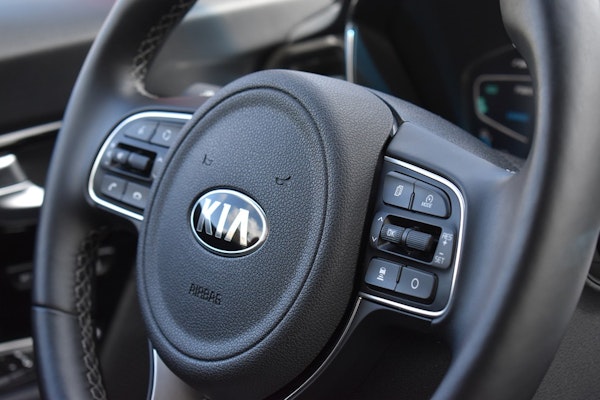
A new remedy targets a power seat motor defect that can overheat and cause fires in certain 2020-2024 Kia Telluride SUVs. Owners are advised to park outside until repairs are completed.
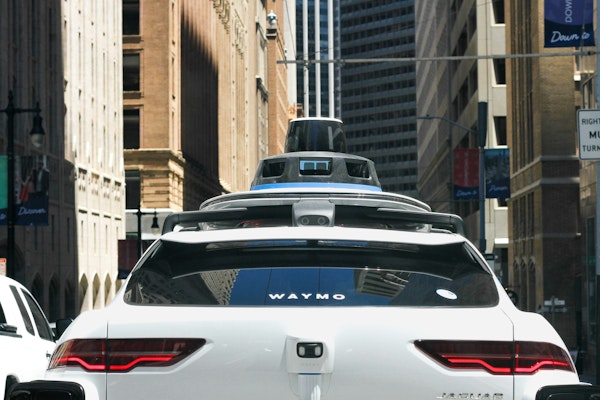
Federal regulators say autonomous vehicles have repeatedly blocked first responders, entered active emergency scenes, and failed to recognize emergency traffic controls. The directive could shape future liability and claims involving robotaxis.
Artificial intelligence is giving fraudsters new ways to manipulate claims, but insurers, TPAs, and defense attorneys are responding with AI-powered detection tools and traditional investigative techniques to identify suspicious evidence.
Police say a reported theft of a 1981 Fiat Spider was fabricated in an attempt to collect insurance proceeds. Investigators used license plate reader data and surveillance video to challenge the claim.
Higher theft rates, expensive repairs and underwriting changes are making high-performance vehicles increasingly difficult to insure, even as used prices become more attractive.
Utah regulators say a Texas man used false information to obtain more than 1,100 auto insurance policies and collected payments from consumers whose coverage could have been invalid when claims were filed.
Improved personal auto results and lower catastrophe losses helped U.S. property and casualty insurers return to strong underwriting profitability. Claims severity and litigation-related costs remain significant concerns for carriers.
A recurring engine stall defect affecting more than 255,000 Ford Focus vehicles highlights potential liability exposures, claims severity concerns, and the importance of preserving evidence for subrogation recovery.
A trailer carrying fireworks caught fire on Interstate 75 in Hamilton County, Tennessee, forcing highway closures as explosives launched across multiple lanes of traffic. No injuries were reported, but the incident highlights transportation and cargo-related insurance risks.
A multi-year investigation uncovered organized criminal groups linked to staged collisions, vehicle financing fraud, and false insurance claims that generated millions in losses and drove up costs for insurers and policyholders.
A federal appeals court found sufficient evidence that a Texas police chief conspired to burn his wife’s SUV, report it stolen, and collect insurance proceeds. The case highlights multiple fraud indicators that claims investigators identified before any confession emerged.
Insurers are expanding their use of AI, telematics, digital identity verification, and predictive analytics as fraud schemes become more complex and costly across multiple lines of business.
Generative AI tools are making it easier to create fake claim evidence, while a new survey finds insurers have limited confidence in their ability to detect and prevent AI-driven fraud.