After a decade of profitability, the US workers’ compensation insurance market faces new risks, requiring disciplined underwriting to maintain stability.
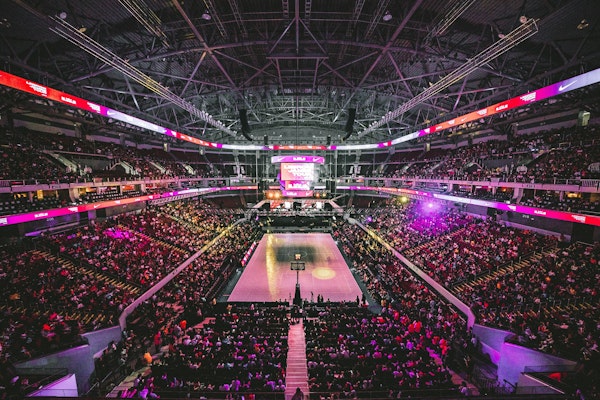
Fourteen NBA teams are accused of using copyrighted music in social media promotional videos without proper licensing, leading to multiple lawsuits by Kobalt and other music companies.
The 2024 Kiteworks report highlights the rising risks associated with the proliferation of communication tools, data exchanges with third parties, and inadequate governance, emphasizing the urgent need for enhanced data security and compliance measures.
California Insurance Commissioner Ricardo Lara has requested a comprehensive study from the WCIRB on workers’ compensation claims for silicosis, aiming to better understand and support affected workers.
Recent research from the FIRST Center highlights significant differences in state workers’ compensation laws for first responders with mental health conditions, emphasizing the need for uniform presumption laws.
Triple-I emphasizes the importance of consumer education and community resilience to mitigate rising insurance costs driven by inflation, litigation, and natural disasters.
Artificial intelligence is aiding insurers and employers in reducing workers comp costs by identifying difficult and fraudulent claims, but it remains a tool for claims handlers rather than a replacement.
Farmers Insurance responds to claims of understaffing and overworking made by an anonymous group of in-house adjusters, following a significant increase in claims and workforce reduction.
An analysis of 47 million homeowners’ insurance expenditures reveals a sharp increase in premiums from 2020 to 2023, with disaster-prone areas experiencing the most significant hikes due to rising reinsurance costs.
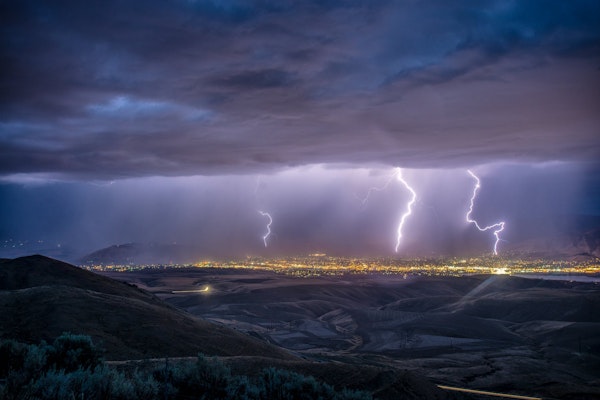
The Insurance Information Institute (Triple-I) reported a 30% increase in total claims value from 2022, highlighting the financial impact of severe convective storms.