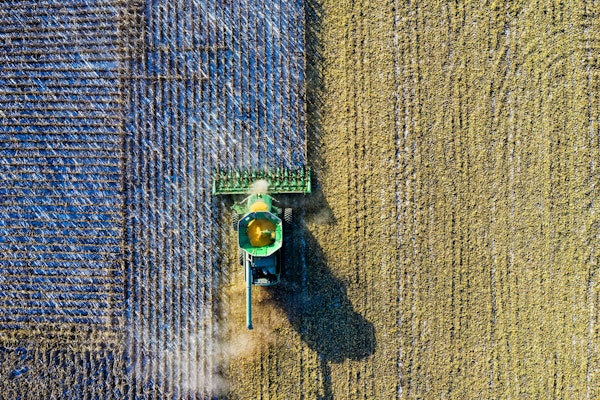
McKinsey’s survey of 5,500 farmers finds extreme weather is a leading threat to farm profits in several markets, while growers facing tighter margins are delaying purchases and adopting AI for day-to-day decisions.
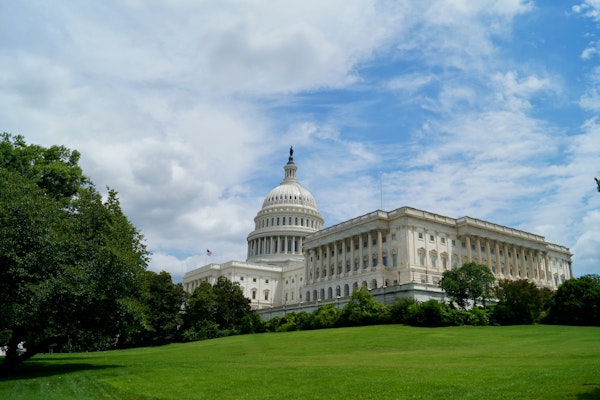
Congress is moving toward extending the federal terrorism insurance program through 2034, but certification requirements, cyber risks and exclusions in underlying policies could still determine whether losses are covered after an attack.
Extreme drought covered 44% of Puerto Rico by late August after rainfall fell far below normal in parts of the territory. Water rationing, crop losses and dwindling hay supplies have accompanied local and federal disaster declarations.
Marie is expected to remain well offshore, but forecasters warn its swell could produce dangerous rip currents, large waves and coastal flooding along Southern California, with the strongest effects expected Sunday and Monday.
A federal judge ruled that New York exceeded its authority by requiring major fossil fuel producers to finance $75 billion in climate-related infrastructure and resilience projects.
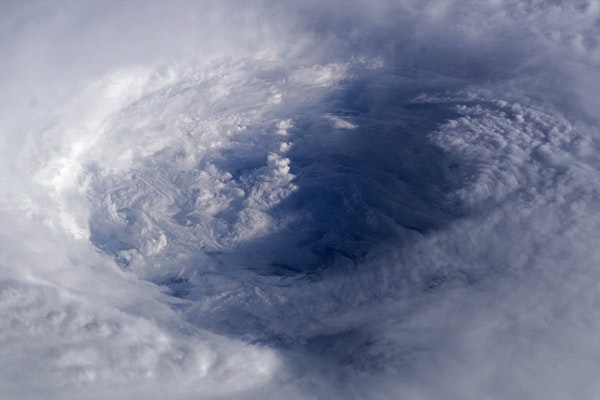
Former Tropical Storm Edouard continues to produce heavy rain and flooding in Texas while the National Hurricane Center monitors three tropical waves across the Atlantic. No hurricane is currently threatening Florida, though periods of heavy rain are expected.
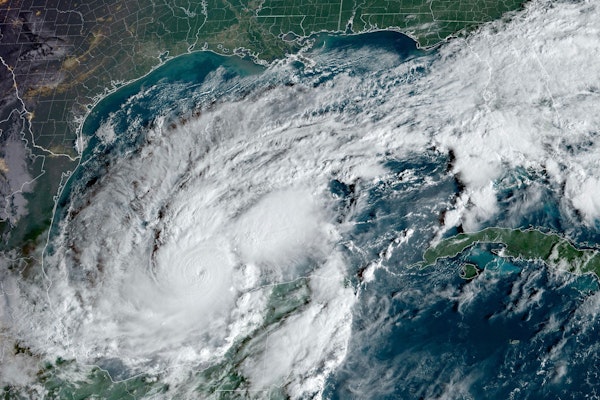
Heavy rainfall, damaging wind gusts and up to 5 feet of storm surge could generate property and flood losses along the Gulf Coast, with flooding also threatening the Houston area.
Dolly’s remnants could soak South Florida later this week while a Gulf system may develop into Tropical Storm Edouard. Heavy rain and localized flooding could extend from Texas and Louisiana through Tampa and Orlando.
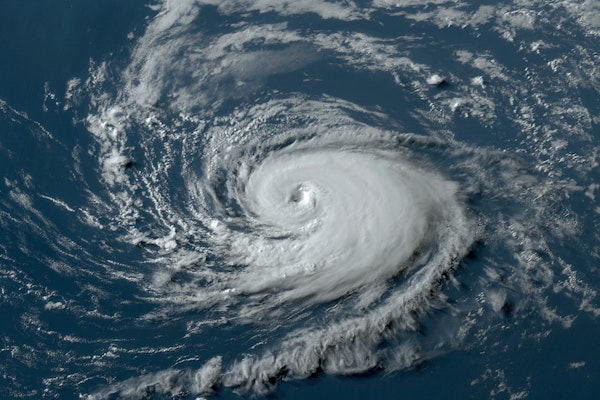
The fourth named storm of the 2026 Atlantic hurricane season is forecast to weaken before reaching the Leeward Islands, but heavy rainfall could still trigger flash flooding across parts of the Caribbean.
A $200,000 parametric payment will fund rapid coral reef assessment and repairs in Hawaii, showing how catastrophe insurance can respond without the traditional claims adjustment process.
Catastrophe models can map where damage occurred, but often lack detailed data showing when and how an event developed. Continuous satellite observations could improve wildfire modeling, claims aggregation, hours clauses, parametric triggers, and mitigation credits.
AI-derived property observations are giving insurers a clearer view of roof deterioration between catastrophes, providing claims teams with more information about pre-loss conditions when severe weather strikes.
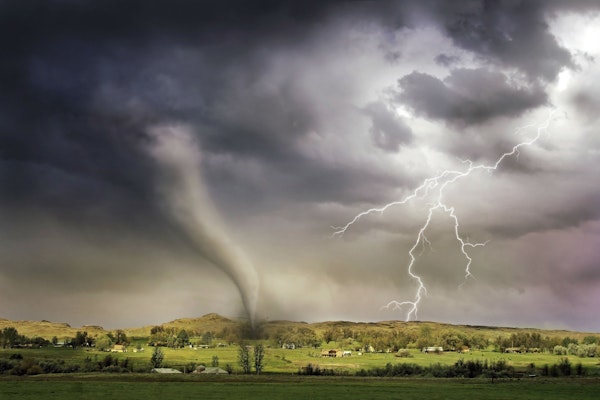
Tornado and severe thunderstorm activity is shifting toward more populated areas in the eastern U.S., where higher property exposure and reconstruction costs are increasing insurance claim severity even as national tornado volume declines.
A new Florida company is offering annual memberships that guarantee seats on chartered evacuation flights during hurricanes. The service raises questions about disaster preparedness, evacuation access, and how private solutions may reshape catastrophe response.