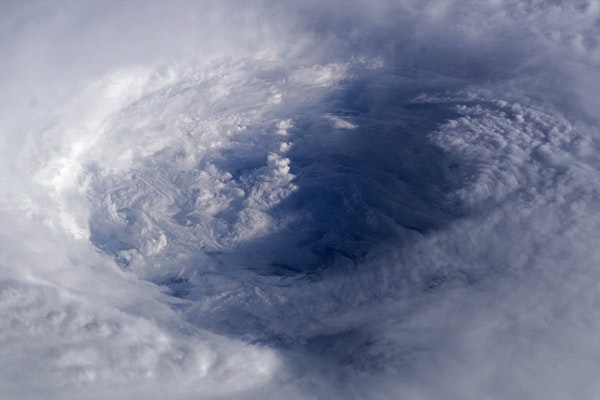
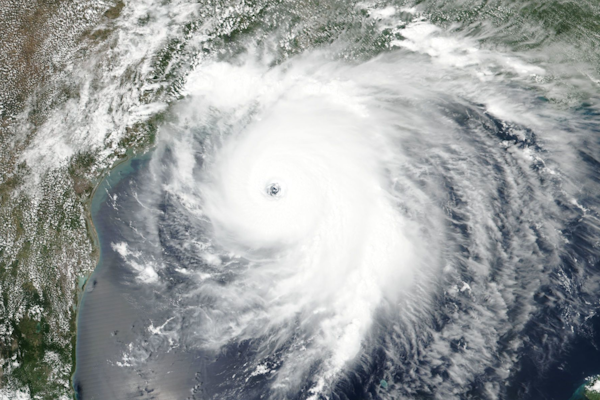
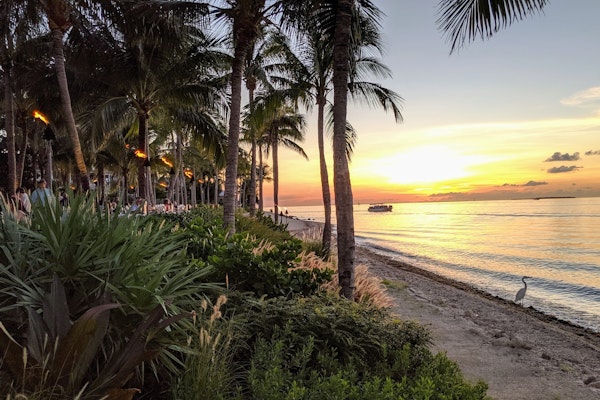
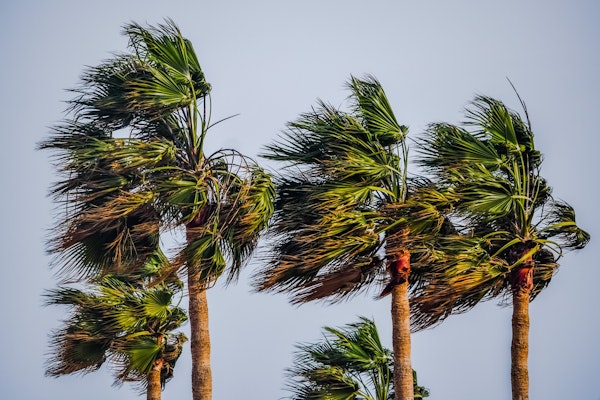
August brings warmer ocean waters, lower wind shear, and more tropical waves, creating conditions that favor hurricane development. Early August activity can also offer clues about how active the rest of the Atlantic season may become.
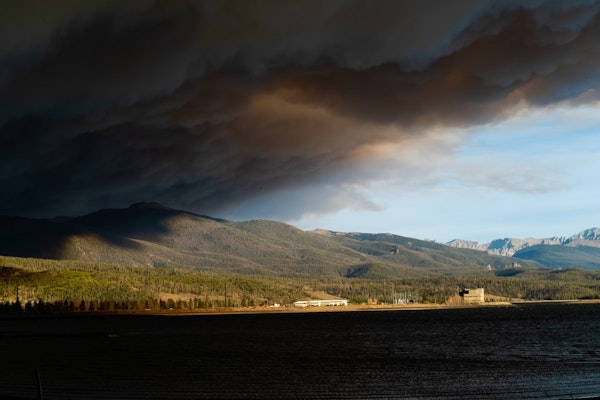
Multiple fast-moving wildfires remain 0% contained as evacuations continue across the Spokane region. Claims adjusters should prepare for significant residential, commercial, and infrastructure losses as damage assessments begin.
A new Insurance Information Institute brief says heat waves, drought and development in the wildland-urban interface are driving wildfire exposure beyond the Western United States, creating new underwriting and claims challenges for insurers.
California is expanding satellites, AI camera networks, airtankers, and drone technology to detect wildfires earlier. State leaders hope reducing structure losses will help stabilize the homeowners insurance market and ease pressure on the FAIR Plan.
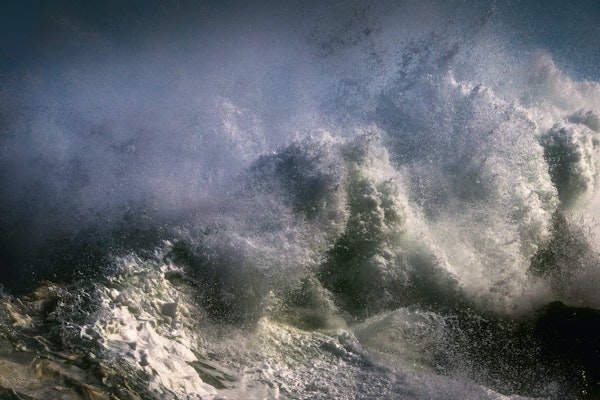
Long-period swells from Hurricane Genevieve are expected to generate dangerous surf, rip currents, and localized coastal impacts across Southern California through the weekend, even without a direct landfall.
AI-enabled smart glasses are helping insurers standardize inspections, improve documentation, reduce travel, and support remote claims handling while giving adjusters real-time guidance in the field.
The first hurricane to enter the Central Pacific Basin this season is expected to approach Hawaii early next week. Forecasters say confidence is growing that parts of the islands could see wind and rainfall impacts, though the exact track and intensity remain uncertain.
State officials say hundreds more homes and businesses need repairs as recovery shifts toward debris removal, rebuilding, and long-term housing. Authorities are also monitoring downstream flooding and a developing tropical system.
Tropical Storm Bertha is increasing humidity across Texas and Louisiana, driving heat index values as high as 120 degrees while record electricity demand and localized flooding threats create additional risks for property owners and insurers.
Tropical Storm Bertha is forecast to make landfall in Louisiana on Wednesday. Forecasters expect breezy conditions, scattered rain, and minor coastal flooding, with the greatest impacts remaining south of the storm’s center.
Tropical Depression Two is expected to strengthen into Tropical Storm Bertha as it tracks along the northern Gulf Coast. Heavy rain, storm surge, and tropical storm conditions could lead to flooding and property damage from Florida to Texas.
The National Hurricane Center increased the odds of tropical development for Invest 91L in the eastern Gulf. A westward shift in the projected track is expected to reduce rainfall across Central Florida while keeping the Gulf Coast under closer watch.
Advances in climate attribution science are helping insurers better estimate future catastrophe risks, even as political scrutiny over climate models intensifies.
Colorado State University has reduced its Atlantic hurricane outlook for the second time this season, citing growing confidence that a strong to very strong El Niño will sharply limit tropical cyclone activity through the peak of the season.
Two new studies conclude that mitigation discounts encourage home hardening for some property owners but fail to overcome affordability barriers for many households, even as climate-driven insurance costs continue to rise across much of the Southeast.