A California wildfire survivor says an unlicensed contractor took an $18,000 payment before abandoning the project. Insurance and fraud experts say similar scams are increasing after natural disasters across the United States.
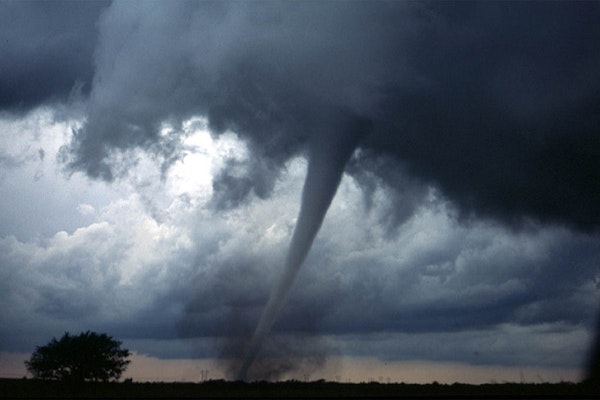
State Farm says Illinois homeowners filed 50,000 severe weather claims through mid-June as tornadoes and hail continue driving losses. The new data adds context to the insurer’s ongoing dispute with Illinois regulators over homeowners insurance rates.
The World Meteorological Organization says confidence is growing that a strong El Niño will develop, increasing the likelihood of extreme weather, record temperatures, and catastrophe-related insurance claims through 2026 and into 2027.
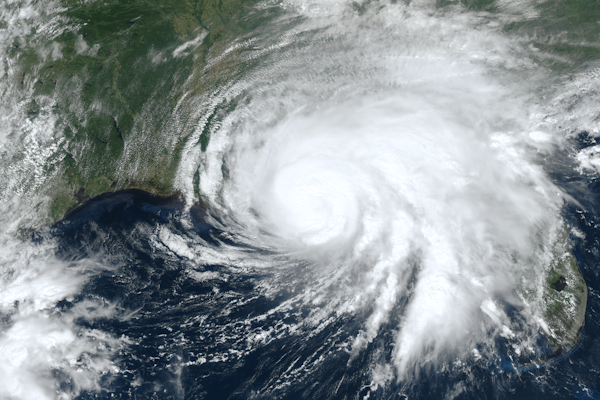
Triple digit heat, wildfire conditions, severe storms, and a tropical disturbance are creating multiple exposures for insurers and claims professionals as millions of Americans face dangerous weather during the holiday week.
A magnitude 7.5 earthquake struck near Caracas after a strong foreshock, prompting warnings of widespread casualties, major economic damage, and uncertainty over insured losses and parametric coverage.
Historical hurricane data shows tropical storm threats remain relatively low during the World Cup, but several host cities have experienced damaging storms, flooding, and infrastructure losses during June and July.
New Nearmap research finds that heat, humidity, temperature swings and heavier rainfall are accelerating roof deterioration, increasing replacement frequency and creating new challenges for insurers and claims professionals.
Improved personal auto results and lower catastrophe losses helped U.S. property and casualty insurers return to strong underwriting profitability. Claims severity and litigation-related costs remain significant concerns for carriers.
Extreme heat, damaging winds, power outages and flash flooding are becoming familiar parts of summer across Maryland’s Chesapeake Bay region. Residents and property owners are weighing the cost of preparedness against increasing weather risks.
Forecasters expect fewer Atlantic storms due to El Niño conditions, but growing property values, flood coverage gaps and elevated catastrophe exposure continue to challenge insurers, brokers and claims professionals.
A large plume of dry air and dust from Africa is reducing conditions favorable for tropical storm formation across the Atlantic, though hurricane risks remain as the season progresses.
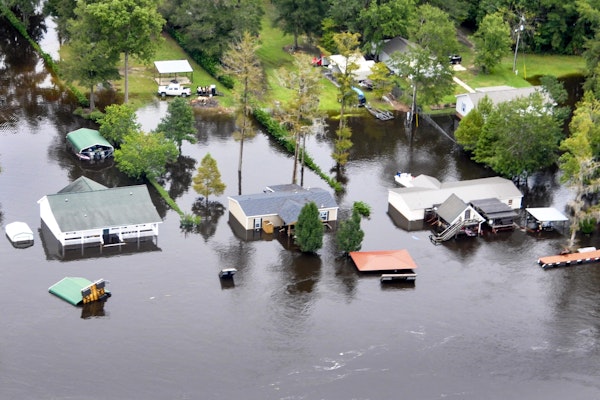
A Moody’s analysis found that uninsured residential flood losses could exceed $1 trillion in an extreme flood scenario, with most counties carrying significant protection gaps and growing exposure beyond FEMA flood maps.
As data center construction accelerates worldwide, new research finds that flood, heat, wildfire, wind, and drought exposures are becoming significant drivers of operating costs, insurance demand, and long-term asset performance.
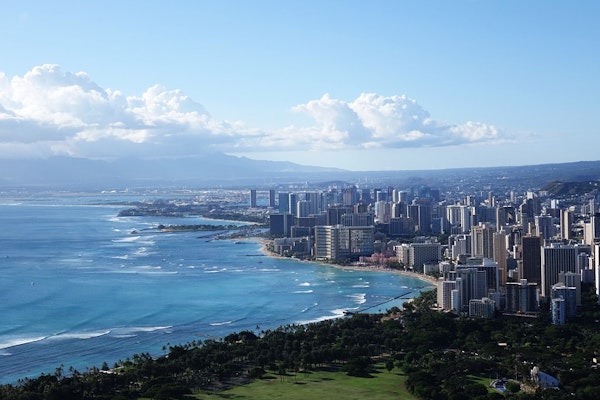
A Hawaii weather team’s simulation of a direct hurricane strike on Pearl Harbor highlights the potential for catastrophic wind damage, storm surge losses, and major challenges for emergency responders, insurers, and property owners.
Illinois has recorded 140 tornadoes in 2026, prompting the National Insurance Crime Bureau to warn residents about contractor fraud schemes that often emerge after major disasters. The alert comes as severe convective storm losses continue to generate tens of billions in insured claims annually.