Hackers tied to the ShinyHunters group claimed to have stolen data tied to 275 million students and staff before disrupting school login systems. The agreement may limit immediate extortion threats, but cyber experts warn the data could still resurface.
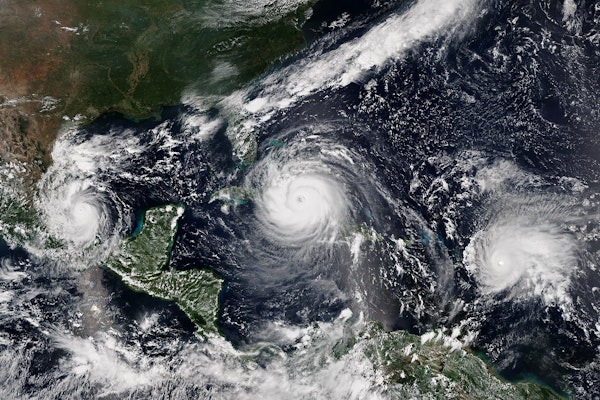
Forecasters say exceptionally warm Pacific waters and a developing El Niño could push tropical systems farther north in 2026, increasing flood and storm concerns for Hawaii and Southern California homeowners.
The Hartford says younger workers are turning to tools like ChatGPT during open enrollment as medical costs, inflation and benefit confusion increase pressure on household budgets.
Severe convective storms are generating record insured losses across the United States, forcing carriers to rethink underwriting, catastrophe modeling, and homeowner pricing strategies.
The cyberattack on Instructure’s Canvas platform disrupted exams, exposed user data, and triggered lawsuits as schools and insurers assess fallout from a major education-sector cyber event.
NOAA and the National Weather Service used Hurricane Preparedness Week to remind residents and insurers that flooding, storm surge, evacuation planning and post-storm safety remain critical concerns before the Atlantic hurricane season begins June 1.
Texas regulators are examining whether athletic apparel marketed as health-conscious may contain PFAS chemicals, adding pressure on consumer brands and raising liability concerns for manufacturers and insurers.
Abundant capacity and lower pricing persist, but adjusters face growing challenges from geopolitical conflicts, social inflation, and complex multi-line claims.
Chubb’s 2026 report shows fewer cyber claims for large U.S. businesses, but far higher losses tied to AI-enabled attacks, ransomware, privacy litigation, and supply-chain disruptions.
New research shows manual workflows, long system timelines, and fragmented platforms are increasing claim handling costs and reducing operational control.
Fraudulent policies are leaving drivers uninsured and shifting costs to legitimate claims through higher premiums and increased uninsured motorist filings.
Early-season wind and hail events often bypass catastrophe protocols but still create complex, costly claims. Delays and poor coordination can quickly increase severity and cycle times.
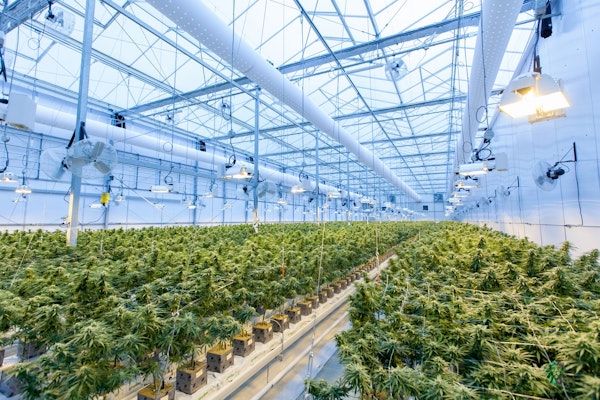
Federal reclassification improves financial outlook for medical marijuana operators but leaves insurers navigating complex compliance and liability risks.