A Triple-I and Guidewire HazardHub case study found substantial differences in wildfire exposure among properties within the same California ZIP codes, suggesting parcel-level modeling could provide a more precise view of risk and mitigation.
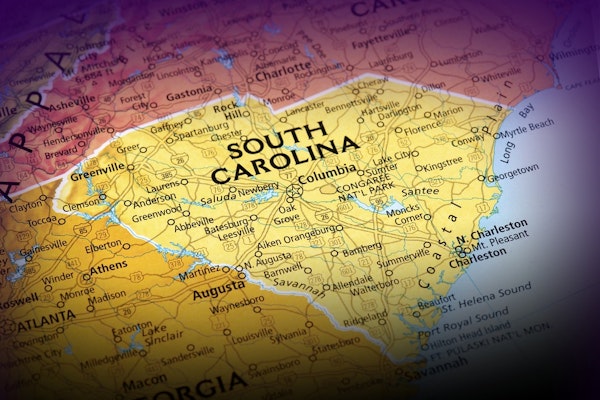
Greenville homeowners saw insurance costs rise 15.8% year over year in the second quarter of 2026, as hail losses, higher rebuilding costs and broader insurance-market pressures reached South Carolina’s Upstate.
Utah insurers declined to renew 4.45% of homeowners policies in 2025, putting the state ahead of California as wildfire exposure and underwriting restrictions reshape property insurance availability.
Swiss Re projects global cyber premiums of $16.4 billion in 2026 while warning that ransomware, data breaches and growing digital dependence can produce losses beyond the limits purchased by some large companies.
The Supreme Court ruled that FAAAA preemption does not bar a state-law negligent hiring claim against a freight broker. Claims investigations may now put more scrutiny on carrier selection, safety records and broker documentation.
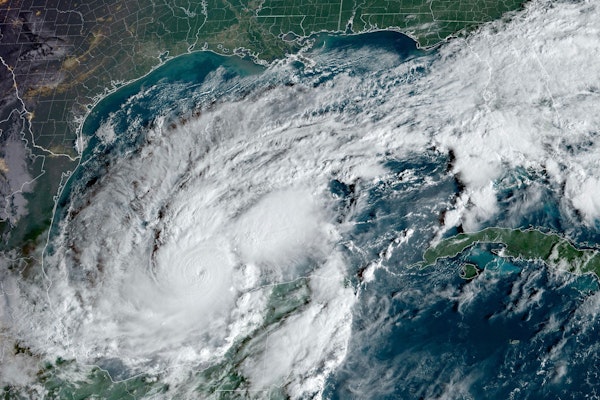
Catastrophe models can map where damage occurred, but often lack detailed data showing when and how an event developed. Continuous satellite observations could improve wildfire modeling, claims aggregation, hours clauses, parametric triggers, and mitigation credits.
Data center construction, tariffs and equipment shortages are pushing insured values higher and complicating replacement-cost and loss-of-use calculations after inland marine losses.
AI-derived property observations are giving insurers a clearer view of roof deterioration between catastrophes, providing claims teams with more information about pre-loss conditions when severe weather strikes.
AIG CEO Eric Andersen says the AI data center buildout is driving demand across construction, property, cyber and liability insurance, while pushing required P&C limits to unusually high levels.
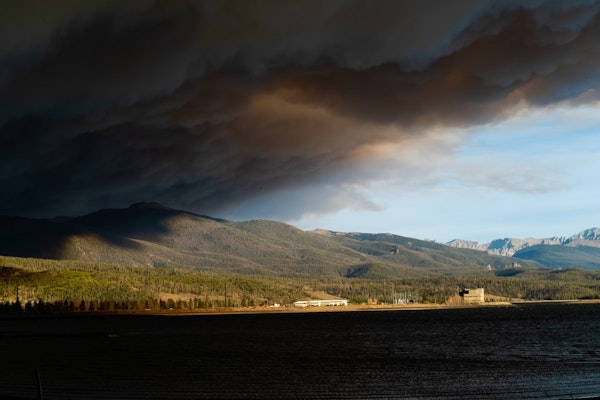
A new Insurance Information Institute brief says heat waves, drought and development in the wildland-urban interface are driving wildfire exposure beyond the Western United States, creating new underwriting and claims challenges for insurers.
Beginning January 1, 2027, most Illinois motorboats over 50 horsepower or at least 21 feet long must carry liability insurance. The new law introduces fines for uninsured operators and could reduce the number of uninsured boating claims.
A bipartisan Senate bill would prevent federal agencies from penalizing insurers that cover state-legal cannabis businesses while preserving state insurance regulation. The proposal also directs the GAO to study financial access barriers for minority-owned and women-owned cannabis companies.
Two new studies conclude that mitigation discounts encourage home hardening for some property owners but fail to overcome affordability barriers for many households, even as climate-driven insurance costs continue to rise across much of the Southeast.
The Massachusetts Supreme Judicial Court upheld regulators’ authority to reject proposed workers’ compensation rates but ruled they must clearly explain how they arrived at a 14.6% statewide rate reduction. The decision sends the 2024 and 2025 rate rulings back for further review.
State Farm says Illinois homeowners filed 50,000 severe weather claims through mid-June as tornadoes and hail continue driving losses. The new data adds context to the insurer’s ongoing dispute with Illinois regulators over homeowners insurance rates.