Georgia homeowners face surging premiums after back-to-back hurricanes. Lawmakers and insurers are exploring solutions to stabilize the market and protect consumers.
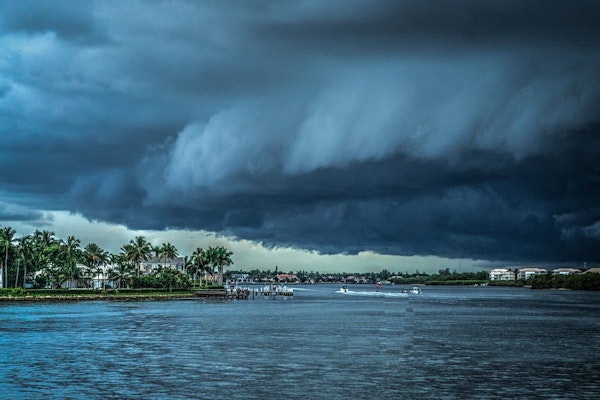
Severe storms across the US and Europe from late May to early June caused extensive hail, flood, and wind damage, with insured losses reaching into the billions.
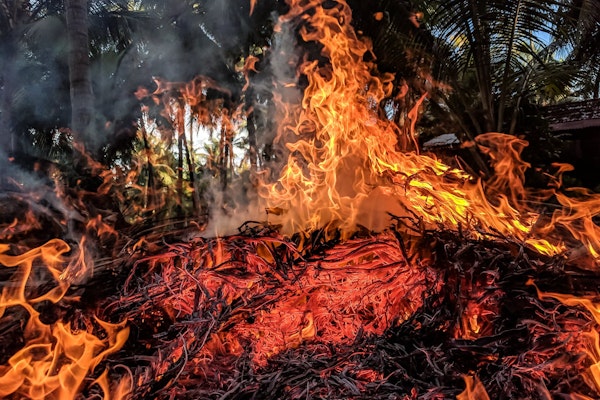
A fire at a SEPTA bus lot in Philadelphia destroyed 40 decommissioned vehicles but caused no injuries or disruptions to commuter service, officials said.
Following legislative reforms and shifting market dynamics, Florida’s personal property insurers posted underwriting profits in 2024 for the first time in nearly a decade.
NOAA will post mission-critical weather jobs despite a federal hiring freeze, aiming to stabilize forecasting operations ahead of a hurricane season forecast to be severe.
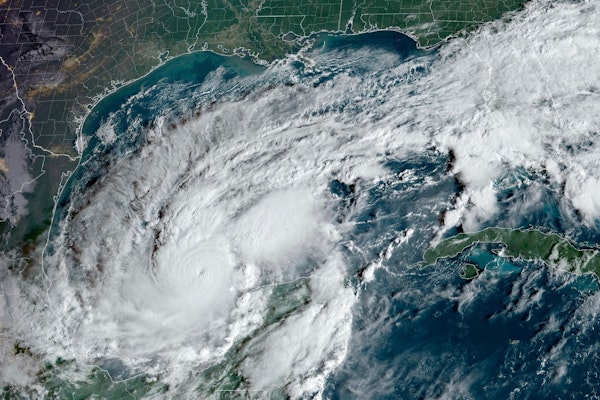
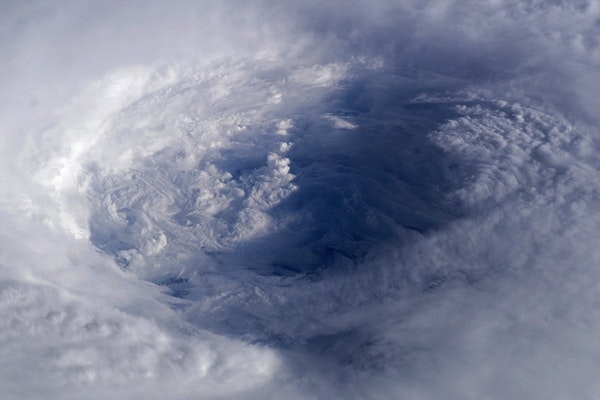
Forecasters anticipate a slightly above-average 2025 hurricane season in the Atlantic, though key uncertainties in ENSO and sea temperatures complicate predictions.
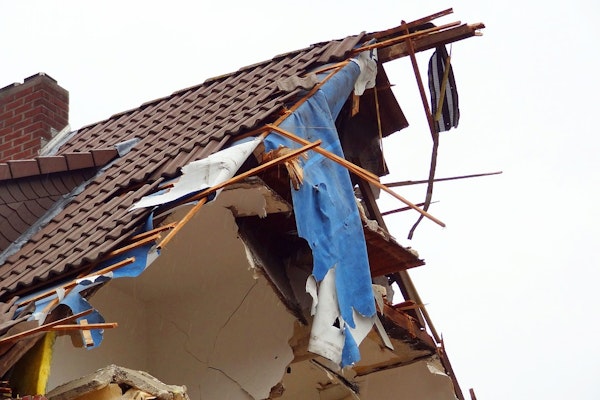
With 70-90% of storm-related claims involving roof damage, the FORTIFIED Roof standard offers a proven, cost-effective way to reduce risk and protect property.
Federal budget cuts threaten safety training programs for fishing, farming, and logging workers—among the nation’s most dangerous jobs—potentially leaving crews at greater risk.
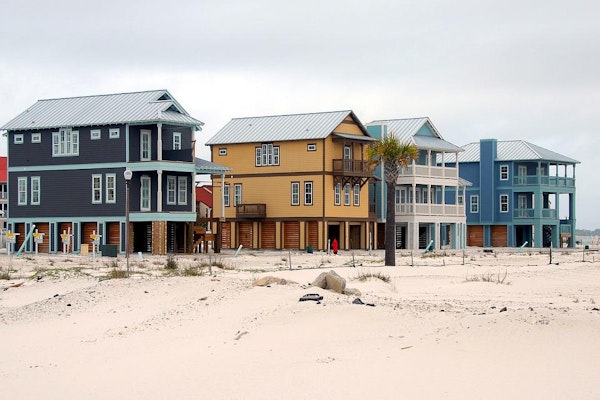
Over 6.4 million homes in coastal U.S. states face moderate or greater storm surge risk, with $2.2 trillion in potential reconstruction costs, according to 2025 Cotality data.
Although June is typically a quiet start to Atlantic hurricane season, recent years show a rise in early storm activity, especially near the Gulf and Southeast U.S. coasts.
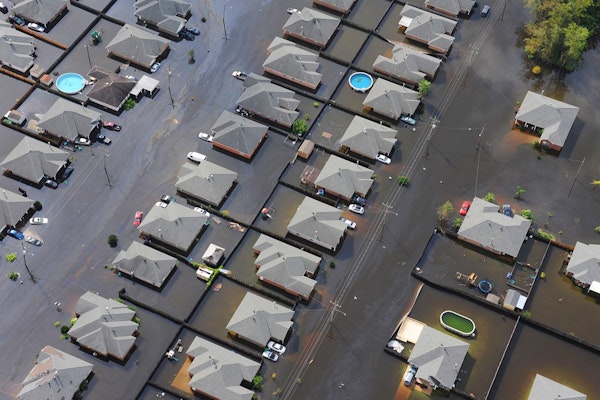
A new report by Neptune Flood highlights Texas’s escalating flood risk and the urgent need to close the state’s massive and growing insurance coverage gap.
AM Best says NOAA’s decision to retire its billion-dollar disaster database could hinder insurers’ ability to track secondary perils and price risk effectively.
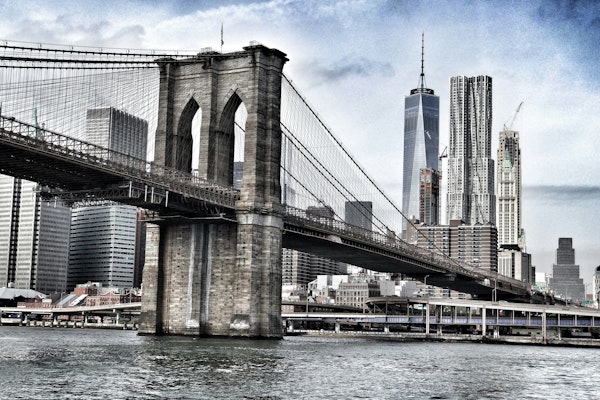
A Mexican Navy training vessel collided with the Brooklyn Bridge during a goodwill tour, leaving two dead, multiple injured, and prompting an ongoing investigation.
New research shows insurance protects against climate disasters, but millions of flood-prone homes remain uninsured as premiums climb beyond affordability.
As climate disasters increase, insurers are hiking premiums, reducing coverage, or exiting markets—leaving homeowners, states, and federal programs to fill the gap.