A new study predicts that climate change will lead to larger hailstones by mid-to-late century, resulting in increased damage risks to aircraft, vehicles, and buildings due to stronger thunderstorm updrafts.
Understanding restoration best practices is essential for insurance professionals to minimize losses, protect policyholders’ belongings, and make informed decisions when engaging recovery experts after incidents like floods, fires, or natural disasters.
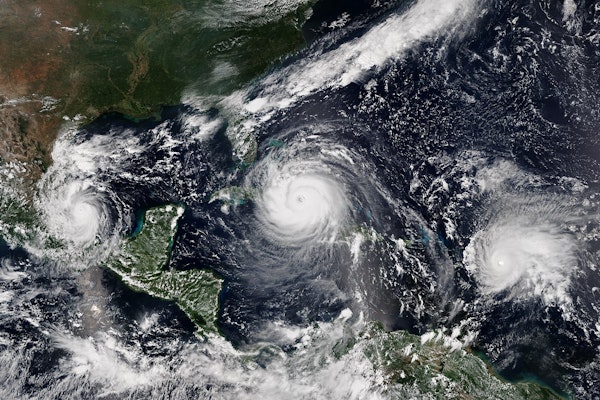
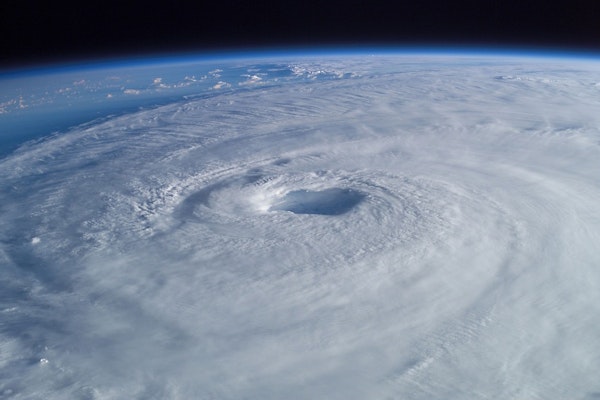
Meteorologists predict an active September in the Atlantic, with up to 10 named storms potentially forming as reduced wind shear and dry air create favorable conditions for hurricane development.
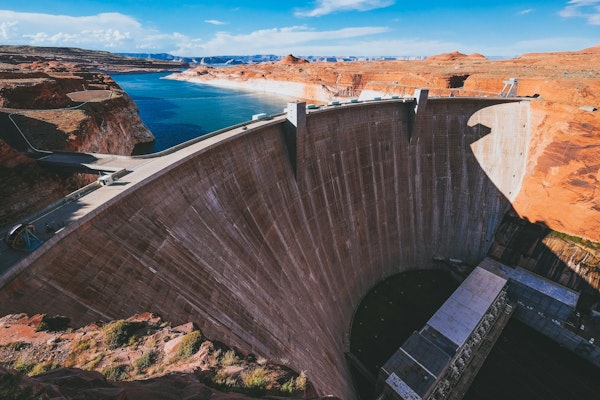
Conflicting federal policies hinder communities from accessing vital dam failure data, potentially raising flood insurance costs and leaving residents unaware of flood risks.
A DeepSky Research report predicts a 300% rise in extreme hurricane rainfall frequency and a 33% increase in severity, highlighting the urgent need for preparedness as hurricane impacts are expected to worsen rapidly.
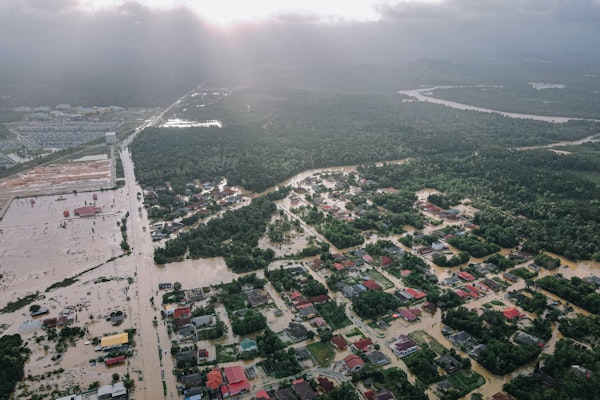
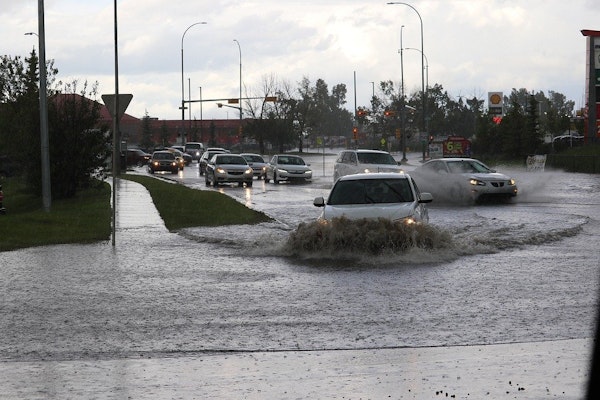
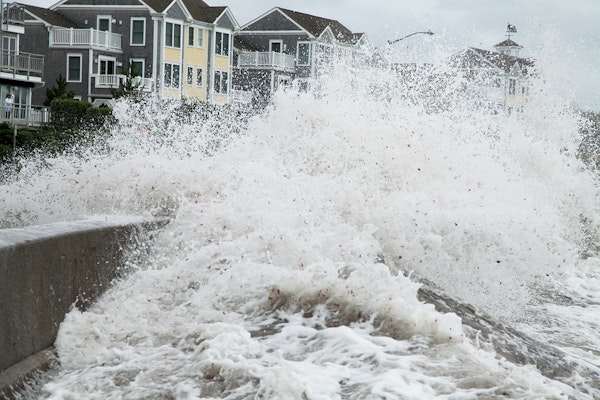
The unexpected flash flooding in Connecticut resulted from a weather phenomenon known as training, where storm cells repeatedly formed over the same area.
The insurance-linked securities (ILS) market is experiencing moderate capacity growth, driven by record-setting catastrophe bond issuance and market demand, according to AM Best’s latest report.
With the potential for boundless litigation involving PFAS chemicals, companies must prioritize risk management strategies to identify, assess, and mitigate exposure before costly legal battles arise.
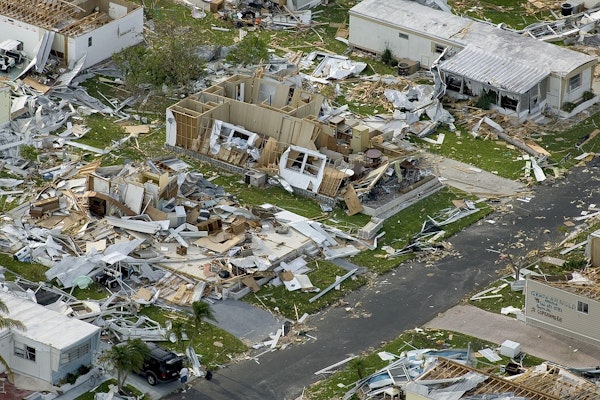
Hurricane Ernesto intensifies after battering the northeast Caribbean, leaving Puerto Rico and the U.S. Virgin Islands with widespread power outages, severe flooding, and disrupted services as it heads towards Bermuda.
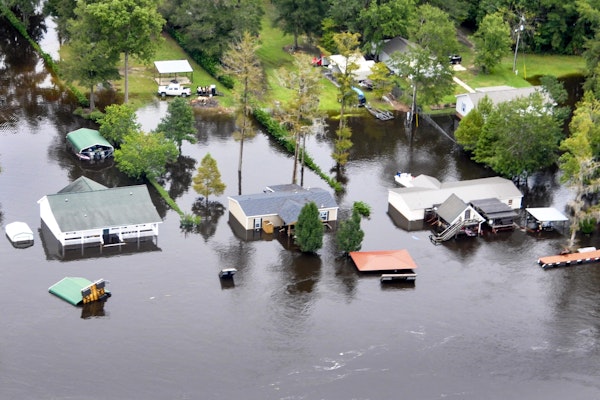
Hurricane Debby caused $12.3 billion in damage, with 78% of affected properties located outside FEMA-designated flood zones. The event underscores the need for updated flood risk assessments and broader insurance coverage.
By the end of July 2024, the United States witnessed 19 weather and climate disasters exceeding $1 billion each, making it the second-highest year-to-date count, with extreme heat, wildfires, and Hurricane Beryl playing significant roles.
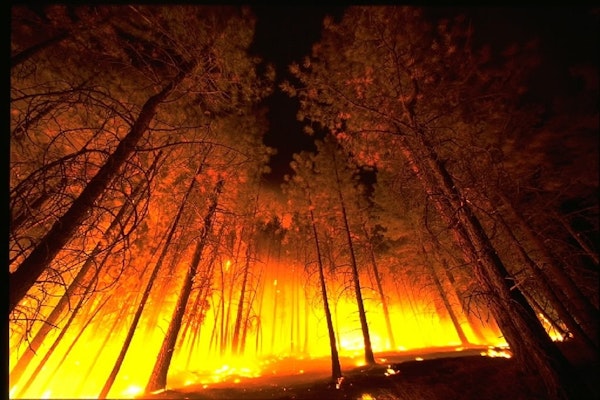
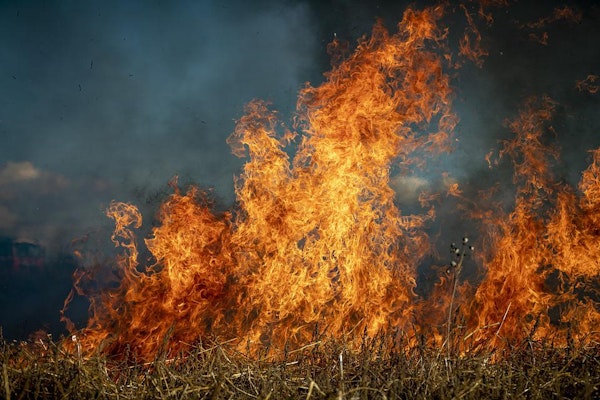
As of mid-2024, wildfires have ravaged millions of acres in the U.S., with over 2.6 million homes at moderate or greater risk, emphasizing the crucial role of insurance and risk management in protecting communities.
Taylor Swift’s cancelled Vienna concerts, due to a foiled attack, could result in tens of millions in insurance claims, though the financial impact is mitigated by event rescheduling and coverage from multiple insurers.
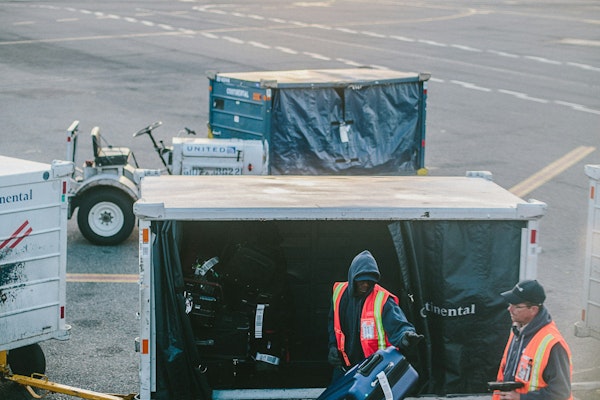
The recent Microsoft-CrowdStrike outage disrupted businesses worldwide, highlighting the importance of robust cybersecurity measures and proactive risk management strategies to prevent widespread economic and operational setbacks.
A new one-year moratorium issued by California’s Insurance Commissioner prevents insurance cancellations and non-renewals for over 185,000 homeowners impacted by recent wildfires in Northern and Central California, ensuring coverage as they recover.