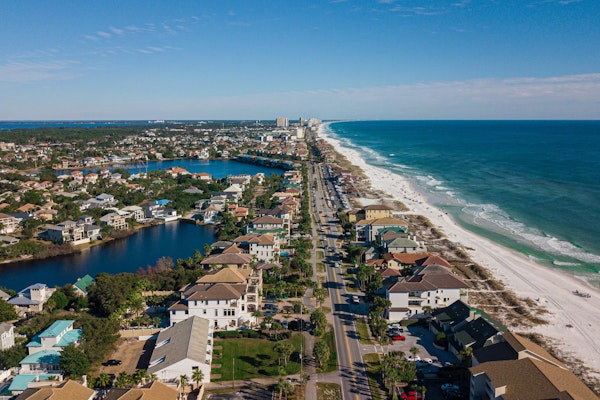
Following Hurricane Debby, Florida’s CFO issued an emergency order extending the period for property owners to cancel contracts with public adjusters from 10 to 30 days and implementing new regulations for adjuster conduct.
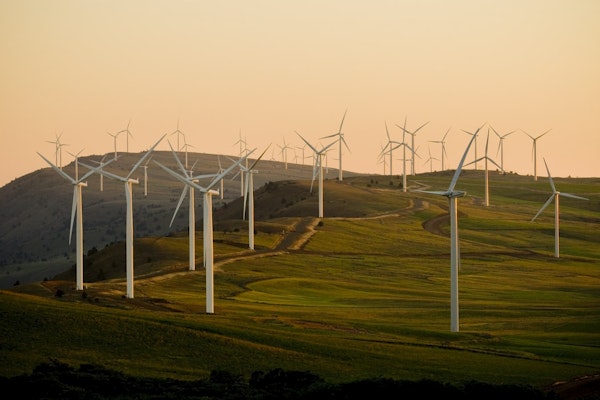
The Grid Resilience and Innovation Partnerships (GRIP) Program, part of the Bipartisan Infrastructure Law, aims to enhance the resilience and reliability of the U.S. power grid against extreme weather and climate change.
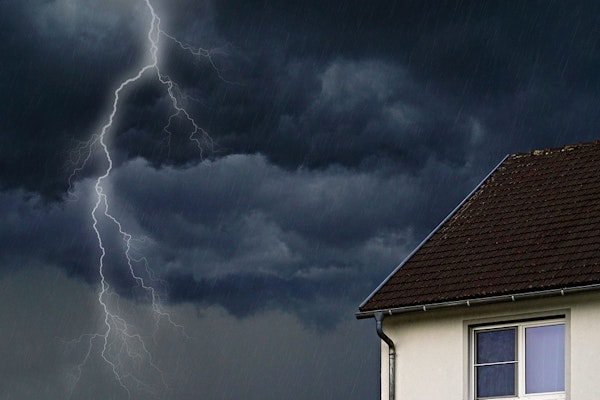
Global insured losses from natural catastrophes have surged to $60 billion in the first half of 2024, with severe thunderstorms in the US contributing significantly.
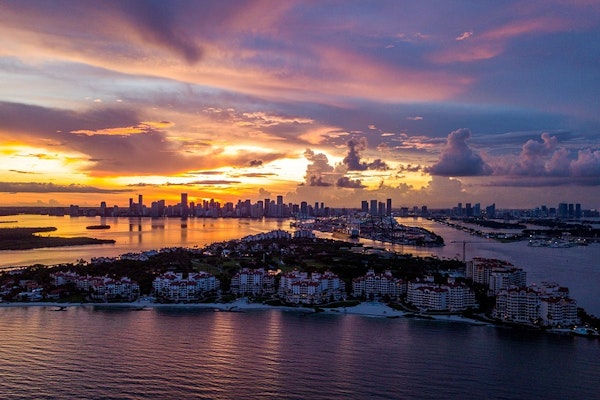
People are moving to fire- and flood-prone areas in the US, driven by migration to Texas and Florida. These states attract newcomers with low taxes and affordable housing, despite growing climate risks.
Norwegian salmon farms are experiencing unprecedented fish mortality rates this year due to an unusually harsh winter and the El Nino climate phenomenon.
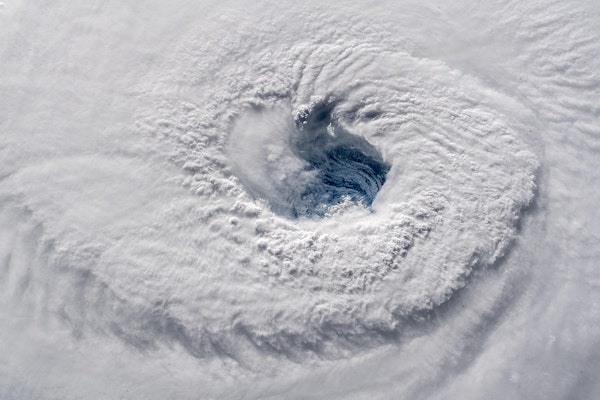
Hurricane Debby has made landfall in Florida’s Big Bend with maximum sustained winds of 80 mph, leading to potential historic flooding from northern Florida to the Carolinas, along with gusty winds, storm surge, and tornadoes.
Residents in predominantly Black towns like Gloster, Mississippi, report worsening health and environmental conditions since the expansion of wood pellet plants for renewable energy.
Florida’s 2024 hurricane season, expected to be highly active, may lead to additional bond issuance for the Florida Hurricane Catastrophe Fund (FHCF) while Citizens Property Insurance Corporation is less likely to require new debt.
The Park Fire in Northern California has grown to over 383,000 acres, making it the fifth-largest wildfire in state history, affecting four counties and threatening thousands of structures.
In 2023, Europe faced unprecedented extreme weather events, including heatwaves, droughts, storms, and floods, highlighting the urgent need for insurers to adapt and develop robust climate risk management strategies.
Homeowners insurance premiums surged by 21% from May 2022 to May 2023, largely due to severe weather events driven by climate change, leaving many homeowners with limited options.