Cyber insurers are tightening underwriting standards, increasing scrutiny of security controls, and reevaluating coverage as ransomware losses, AI risks, and geopolitical threats drive concerns about systemic cyber events.
New fraud data from Lloyds Bank and recent U.S. court rulings are increasing scrutiny of Meta’s role in online scams, creating new questions about liability, insurance coverage, cyber risk, and potential subrogation opportunities.
A federal appeals court found sufficient evidence that a Texas police chief conspired to burn his wife’s SUV, report it stolen, and collect insurance proceeds. The case highlights multiple fraud indicators that claims investigators identified before any confession emerged.
A proposed class action alleges Ring’s Familiar Faces feature collected and stored facial recognition data from individuals without their consent, raising privacy and liability concerns for AI-powered security systems.
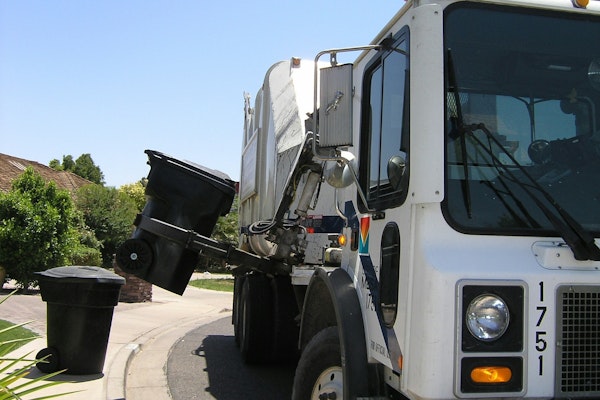
Louisiana investigators say four suspects made false statements tied to a 2025 crash involving a waste disposal truck. Authorities allege the fraudulent claims sought nearly $4 million in compensation.
Federal prosecutors said insurance company reserves were diverted through affiliated entities, leaving thousands of policyholders still owed more than $1 billion while regulators uncovered bribery and fraud allegations.
A North Carolina jury awarded $101 million in a retaining wall collapse lawsuit tied to a 2021 construction accident that killed one worker and seriously injured three others. The case highlights contractor liability, construction site safety failures, and the legal exposure tied to engineering and permitting decisions.
A Colorado jury found a contractor intentionally interfered with an insurance contract after allegedly inflating a church hail damage claim. The verdict highlights growing insurer scrutiny of contractor involvement in appraisal disputes and claim inflation.
Deadly incidents in Washington and California are drawing attention to chemical storage inspections, emergency planning, and the risks tied to aging industrial tanks. Regulators and safety experts say maintenance failures can quickly escalate into major claims events.
A new Marsh report shows global transactional risk insurance claims rose 34% in 2025, with financial statement breaches accounting for more than half of total paid losses and insurers paying nearly $650 million worldwide.
CNN alleges Perplexity unlawfully used and distributed copyrighted news content through its AI search platform. The lawsuit adds to mounting legal pressure on AI companies over publisher rights and compensation.
Officials allowed more than half of evacuated residents to return home after pressure inside a volatile chemical tank dropped, though thousands remain displaced as investigations continue into the industrial incident.
A federal jury found Takeda used an anticompetitive settlement to delay generic Amitiza, exposing the drugmaker to potentially billions in damages under federal antitrust law. The verdict is the first plaintiff win in a jury trial involving pharmaceutical pay-for-delay claims since a 2013 U.S. Supreme Court ruling.
Fraudsters are using AI to create convincing photos, invoices, medical records and identities. Adjusters need stronger verification, native files, field investigation and clear evidence before denying a claim.
The U.S. property and casualty market recorded its strongest underwriting result in more than a decade in 2025, but adjusters still face elevated catastrophe exposure, litigation pressure and rising replacement costs.