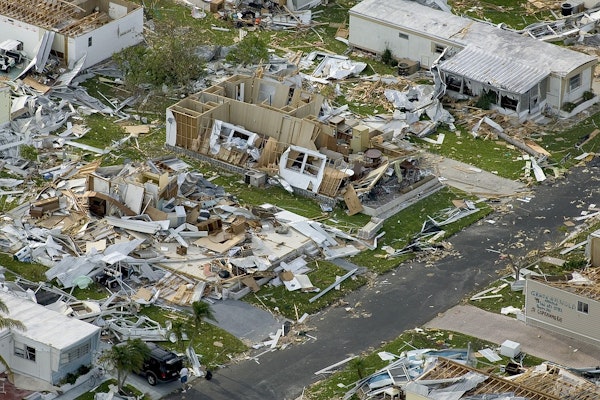
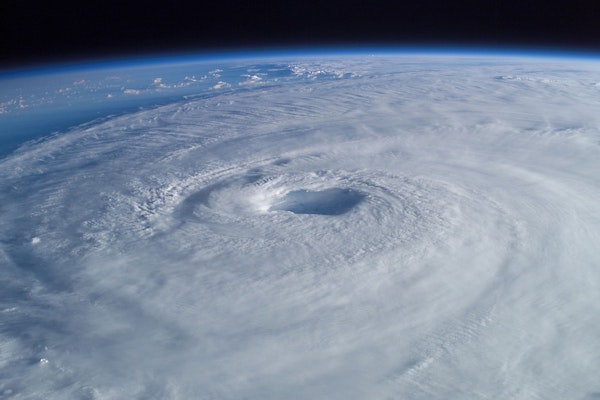
Hurricane Idalia’s devastation in Florida and beyond underscores the escalating challenges for insurers in a climate-affected world, demanding innovative adaptation.
Recent research reveals the severe consequences of hurricanes on renters along the East and Gulf coasts, including increased rents, eviction risks, and the deepening affordable housing crisis.
A class action lawsuit targets CSX for alleged negligence in a train derailment that caused a hazardous sulfur spill in eastern Kentucky, raising health and environmental concerns.
The Insurance Information Institute reports a surprising decline in U.S. wildfire frequency and severity, contrasting with global trends, as mitigation efforts show positive results.
A new report highlights the insurance industry’s critical role in combating climate change, with a focus on adaptation, resilience, and a $71 billion revenue opportunity.
To foster better collaboration and transparency, the Catastrophe Resiliency Council proposes an Open Industry Exposure Database for climate risk research.
DuPont, Chemours, and Corteva agree to pay $110 million to Ohio for environmental damage from PFAS chemicals used in a West Virginia facility, marking a significant legal resolution.
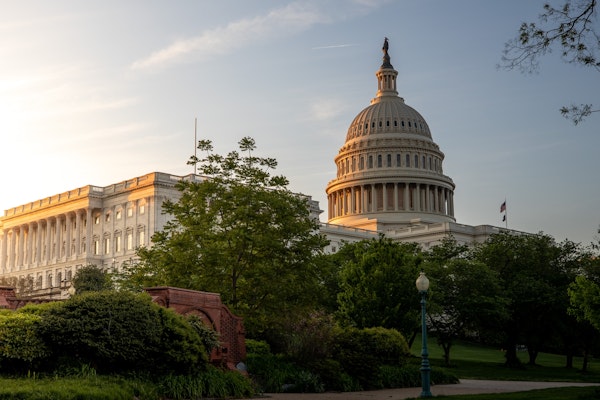
U.S. Senate Budget Committee investigates Florida’s Citizens Property Insurance Corp’s preparedness for underwriting losses due to extreme weather, highlighting the challenges of climate change on insurance.
In a bizarre and tragic accident, an elderly woman falls through deteriorating floorboards into an unknown well shaft in a century-old South Carolina home.
The US warns of increased dangers for ships in the Red Sea and Gulf of Aden, with recent attacks and suspicious activities heightening risks and insurance concerns.
A condominium’s claim for damage caused by unstable excavation material highlights the intricate interpretations of ’falling objects’ in insurance policies.
Homeowners insurance affordability declines nationwide, influenced by increased natural disasters and economic factors, with significant state-to-state variations in insurance costs.