Severe convective storms are a major driver of rising insurance costs, with hail, tornadoes, and strong winds causing billions in property damage. Understanding storm patterns can help insurers manage risk effectively.
Angela Frase of Sterling, Ohio, has been sentenced to two years in prison for staging a hate crime and committing insurance fraud after setting multiple fires at her home.
Four pharmacists were sentenced for defrauding Medicare, Medicaid, and private insurers of over $13 million by billing for medications they never dispensed at multiple pharmacies.
Former Ohio insurance agent Rhonda Chandler received probation and faces prison if she violates terms after pleading guilty to stealing over $1.4 million in pre-need funeral insurance funds.
A new study from the Institute for Legal Reform reveals that U.S. tort costs have risen at an annual rate of 7.1% from 2016 to 2022, exceeding both inflation and GDP growth.
A Portsmouth-based hardwood floor manufacturer faces $255,528 in OSHA fines following a partial arm amputation injury and repeated safety violations at two facilities.
An Ohio man has been sentenced for orchestrating a $229,000 insurance fraud scheme involving multiple companies and falsified claims, including property theft and fake medical expenses.
A rural Tennessee school district was swindled out of over $3 million when a finance officer unknowingly wired funds to a fraudster impersonating a legitimate curriculum vendor, part of a growing wave of email scams targeting schools.
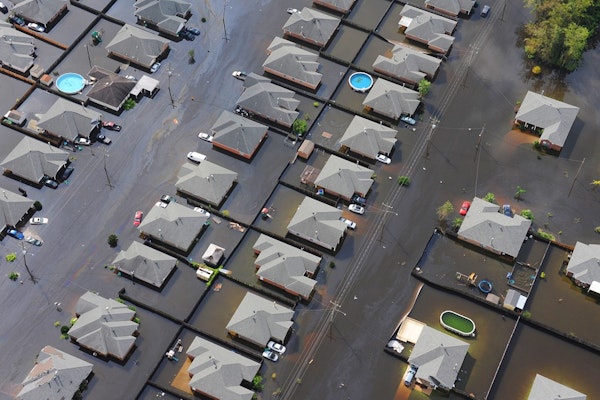
Economic estimates for Hurricane Helene project up to $160 billion in damage, driven by widespread infrastructure failure, property loss, business disruption, and long-term recovery costs.
Ohio’s successful collaboration between universities, insurance companies, and stakeholders offers an effective model for recruiting and educating new talent in the insurance and risk management fields.
The Aaron Rodgers injury and Jets’ decision to skip insurance on his contract highlight how NFL teams can lose significant cap space and insurance proceeds when failing to protect high-value players.
A new study predicts that climate change will lead to larger hailstones by mid-to-late century, resulting in increased damage risks to aircraft, vehicles, and buildings due to stronger thunderstorm updrafts.
Innovation in workers’ comp often stalls due to cost-focused approaches, but new findings suggest that improving patient outcomes could significantly reduce overall expenses and accelerate return-to-work times.
The U.S. alleges that National General Holdings Corp. improperly force-placed insurance on vehicles financed through Wells Fargo for over a decade, causing financial harm to borrowers.